Trying to choose between Gilbert, Chandler, Mesa, and Queen Creek? It is a common East Valley question, especially if you want the right mix of home style, commute, and everyday lifestyle. If you are comparing suburbs and wondering where Gilbert really fits, this guide will help you see the tradeoffs clearly and decide which city matches your priorities best. Let’s dive in.
Where Gilbert Fits in the East Valley
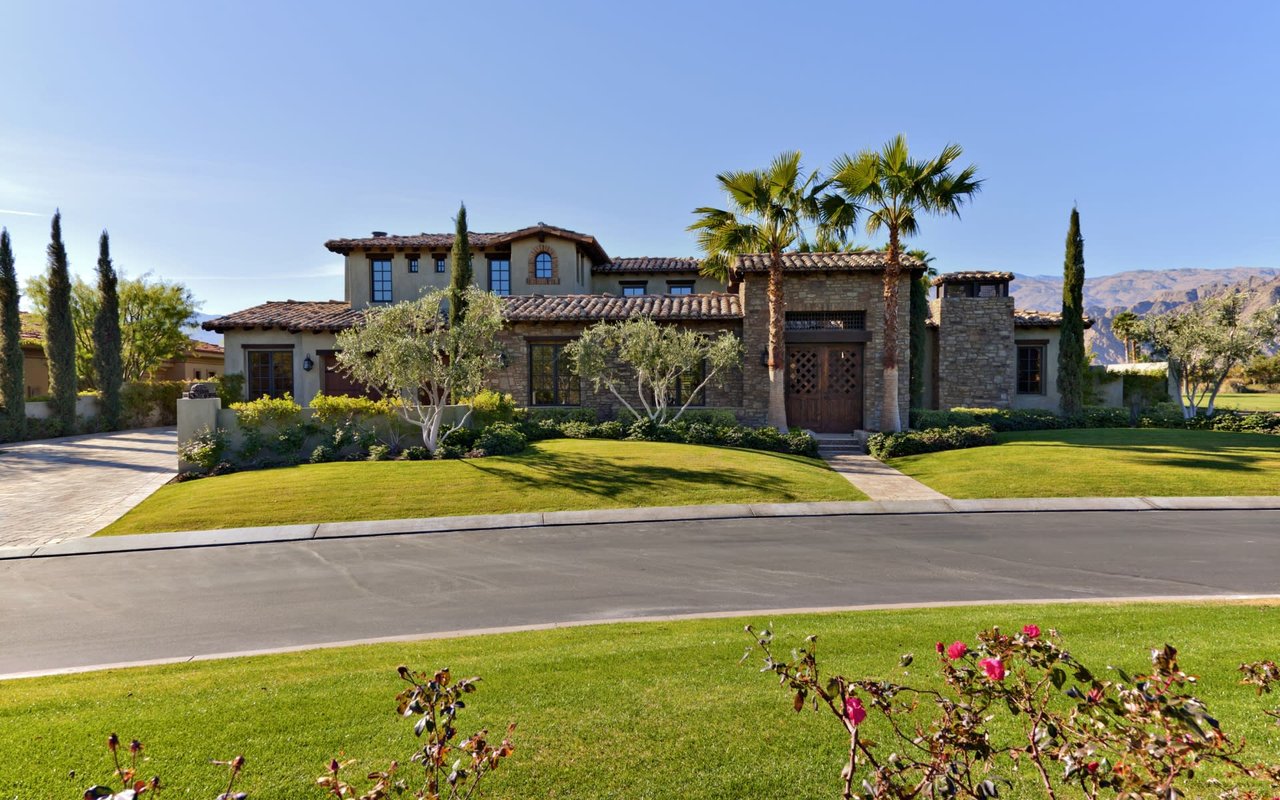
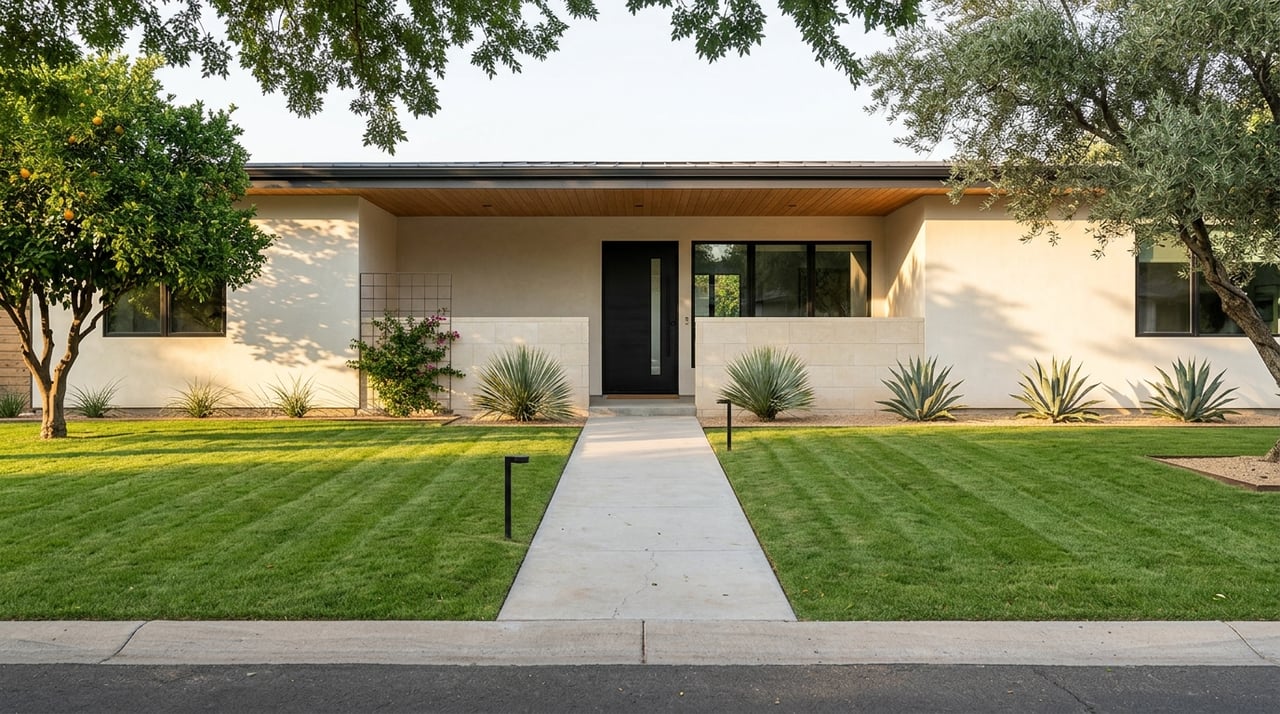
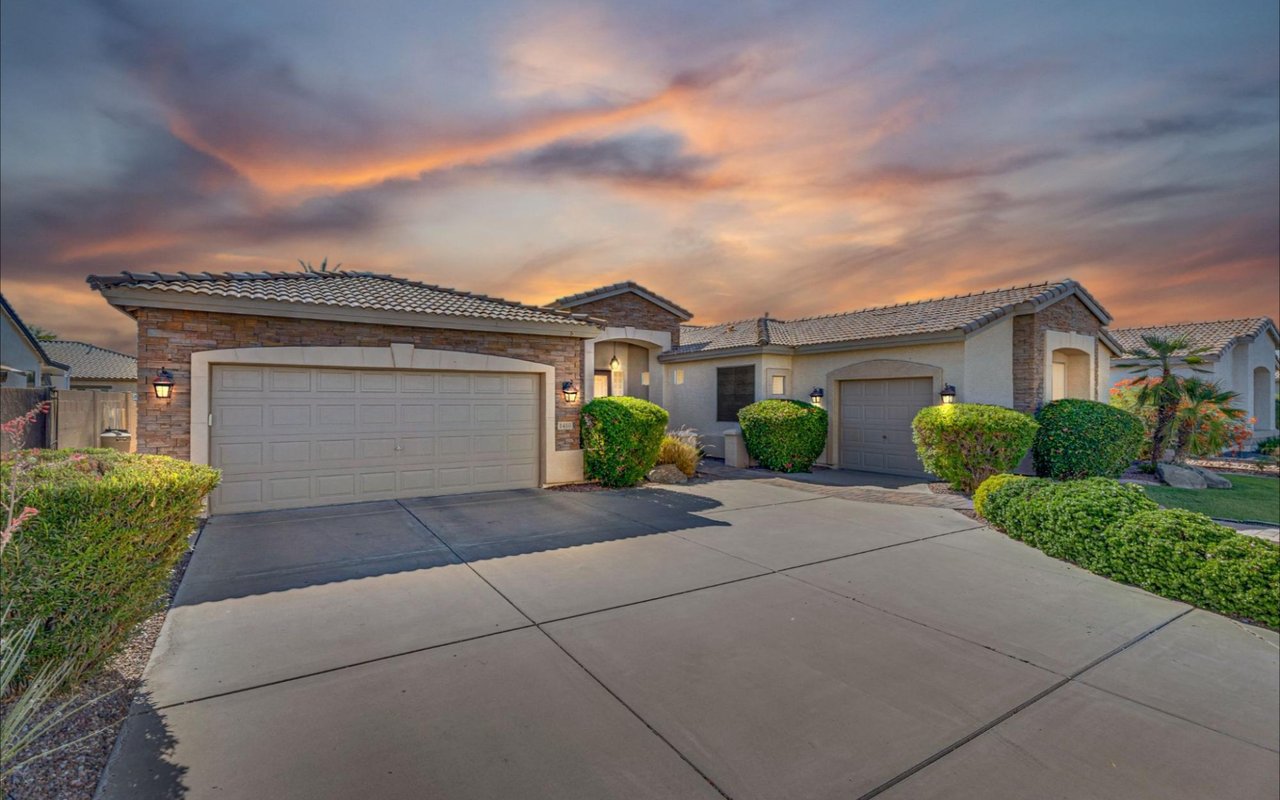
Gilbert often feels like the middle ground in this group. It is strongly suburban, offers a wide range of single-family housing, and has a more polished central core than Queen Creek. At the same time, it generally feels more spacious and single-family focused than Chandler or Mesa.
That balance is one of Gilbert’s biggest strengths. If you want a suburb that still feels residential but also gives you a defined downtown area and notable community amenities, Gilbert stands out. It can appeal to buyers who want options without going too urban or too rural.
Gilbert Housing Compared to Other Suburbs
Gilbert offers a broad middle ground
Gilbert’s housing range is unusually wide for a suburb with such a strong identity. The town says its housing includes urban condos and apartments, starter homes, large lots, and executive homes. Its land code also spans detached and attached housing types, with single-family districts ranging from estate-style lots to smaller detached options.
In practical terms, that gives you flexibility. You can often find more breathing room than you might expect in Chandler, while still having more variety than you may see in Queen Creek. For many buyers, that makes Gilbert the easiest all-around fit.
Queen Creek leans bigger and more land-rich
If your top priority is space, Queen Creek is usually the clearest alternative to Gilbert. Its housing stock is overwhelmingly single-family detached, and its zoning includes agricultural and large-lot districts as well as smaller residential lots. Town materials also say Queen Creek is preserving its small-town rural character as it grows.
That means Queen Creek often appeals to buyers who want more land, room for accessory structures, or a more estate-like setting. Compared with Gilbert, it can feel less polished in the traditional downtown sense, but more open and land-oriented.
Chandler feels more built-out
Chandler is the most built-out and infill-driven suburb in this comparison. The city says 71.7% of homes are single-family, 20.9% are apartments, and 5.5% are condos. It also notes that most future residential growth will happen through infill and redevelopment.
For you, that often translates to a more centralized and established feel. Chandler still has many single-family neighborhoods, but it generally offers less of the land-rich feel that buyers may associate with Gilbert or Queen Creek.
Mesa offers the most variety
Mesa is the broadest and most mixed city of the four. According to the city’s 2025 to 2029 Consolidated Plan, single-family detached homes make up 56% of housing, and the city has adopted middle-housing changes near downtown and within part of new residential development.
That makes Mesa the least one-note market in the group. Some areas feel older and more urban, while other parts, especially farther east, feel much more suburban. If you want the widest range of housing types and neighborhood styles, Mesa usually offers the most variety.
How Home Styles and Lot Expectations Differ
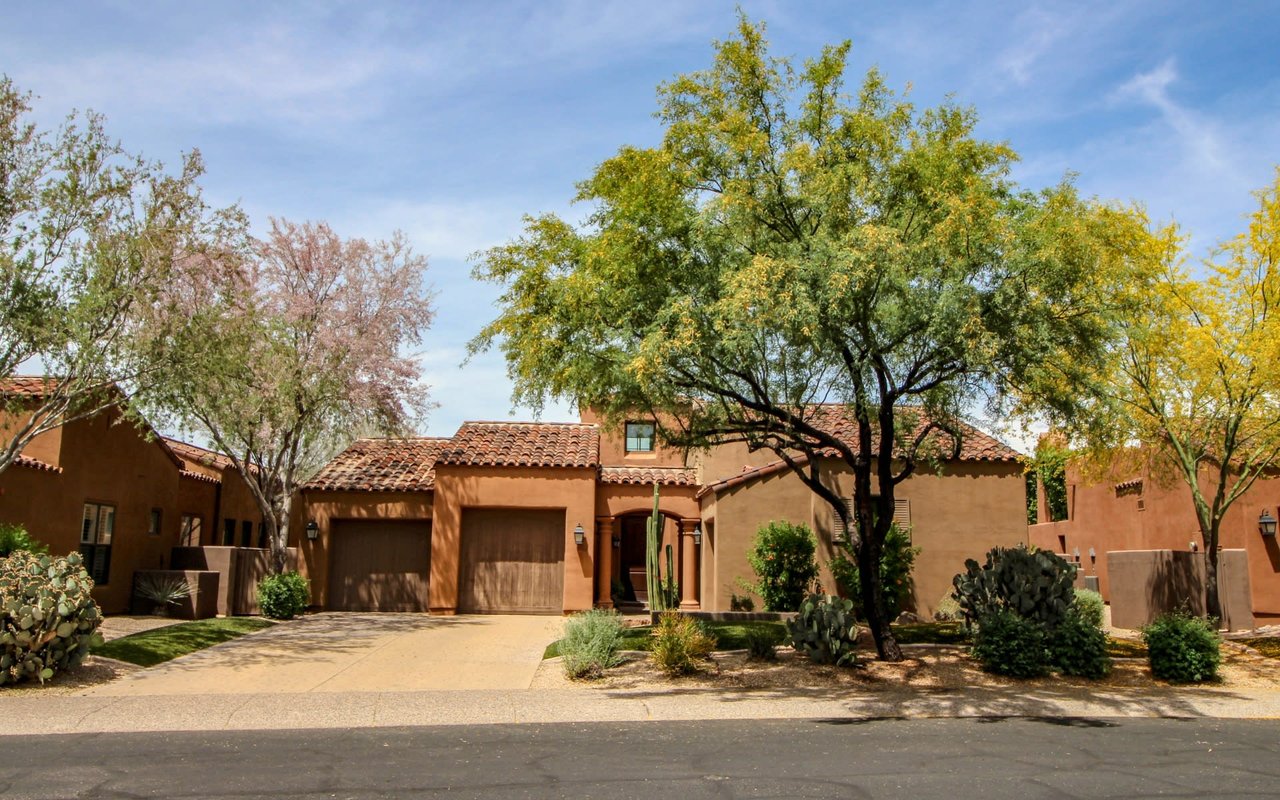
When buyers compare East Valley suburbs, they are often really comparing how much space they want around them. Gilbert lands in a comfortable middle. It can offer homes on larger lots as well as more compact options, so you are not locked into one lifestyle.
Queen Creek tends to push farther toward large-lot and detached-home living. Chandler tends to feel tighter and more development-driven because so much of the city is already built out. Mesa depends more on the specific area, since its housing pattern is more varied than the others.
If you are looking for a simple summary, it often works like this:
- Choose Gilbert if you want balance and flexibility
- Choose Queen Creek if you want more land and a more rural edge
- Choose Chandler if you want a more built-out, centralized suburb
- Choose Mesa if you want the widest mix of housing and neighborhood types
Commute Differences to Know
Commute time is another area where the cities separate themselves. Based on Census QuickFacts data, mean travel time to work is 23.9 minutes in Chandler, 24.7 minutes in Mesa, 25.9 minutes in Gilbert, and 31.1 minutes in Queen Creek.
That does not mean your commute will match those exact numbers, but it gives you a helpful baseline. Chandler comes in shortest on this measure, while Queen Creek is the longest. Gilbert sits close to the middle, which fits its overall position in the East Valley.
Chandler has the shortest average commute
If commute efficiency is one of your top filters, Chandler deserves a close look. Its more built-out pattern and mature job corridor support a more centralized feel. The city also reports that about 93% of available land has been developed, which helps explain why it feels less spread out.
For buyers who want convenience and established infrastructure, Chandler can be a strong option. The tradeoff is that it may not deliver the same spacious suburban feel that some buyers want.
Queen Creek asks for more drive time
Queen Creek has the longest average commute of the four at 31.1 minutes. Its detached-home pattern and location farther from older employment cores help explain that difference. If you prioritize land and elbow room, many buyers feel the extra drive can be worth it.
Still, it is an important tradeoff to think through. If your daily schedule is tight, commute time may carry more weight than lot size.
Gilbert balances access and space
Gilbert’s mean commute time of 25.9 minutes puts it between the more centralized cities and the more land-oriented Queen Creek. That balance can be attractive if you want a suburban home base without stretching too far outward. It is one more reason Gilbert often works well as the middle-ground choice.
Lifestyle and Amenities: What Feels Different
Housing is only part of the decision. Each city also has a different day-to-day feel based on its amenities, civic layout, and activity centers.
Gilbert’s identity is shaped by both neighborhood living and destination-style amenities. The Heritage District gives the town a defined central core, while the 110-acre Riparian Preserve at Water Ranch adds a major outdoor and recreational asset.
That combination helps Gilbert feel more complete than a suburb that is mostly residential. You get a recognizable downtown area and a major open-space amenity without moving into a more urban setting.
Gilbert’s standout anchors
The Heritage District is one of Gilbert’s clearest points of difference. It gives the town a walkable central area that many suburban communities do not have in the same way. The Riparian Preserve adds another layer, offering wildlife habitat, recharge basins, and recreational and educational uses across 110 acres.
Together, those amenities support Gilbert’s reputation as a polished, community-oriented suburb. If you want strong suburban living with visible town amenities, Gilbert checks a lot of boxes.
Queen Creek focuses on parks and rural charm
Queen Creek’s lifestyle identity leans more toward outdoor recreation, agritainment, and a small-town rural feel. Frontier Family Park spans 85 acres and includes pickleball, ballfields, a splash pad, and an inclusive playground. Town materials also highlight destinations like Schnepf Farms and Queen Creek Olive Mill.
That creates a different kind of appeal than Gilbert. Queen Creek often feels more land-rich and more tied to open space and rural character than to a polished downtown core.
Chandler centers on downtown convenience
Chandler’s amenity story is more classic urban-suburban. Downtown Chandler serves as a dining, shopping, and nightlife core, and the city’s community center adds recreation and programming in the downtown area.
If you like a more built-out environment with established commercial and civic amenities, Chandler may feel especially convenient. It can be a strong fit for buyers who want activity and access over lot size.
Mesa offers arts and urban variety
Mesa brings the broadest arts and transit footprint in this comparison. The city’s public art program includes installations at the Mesa Arts Center campus beside a light rail stop, and long-range planning points to continued downtown redevelopment and transit-oriented growth.
That gives Mesa a different personality from Gilbert. If you want a city with more urban variety, arts presence, and a wider mix of neighborhood types, Mesa stands apart.
So, Is Gilbert the Best Choice?
For many buyers, Gilbert is the best all-around middle ground. It combines a strong suburban housing base with a more developed downtown and park system than Queen Creek, while still keeping more single-family focus than Chandler or Mesa.
That does not mean it is automatically the right fit for everyone. If you want the most land possible, Queen Creek may win. If you want the shortest average commute and a more centralized suburb, Chandler may come out ahead. If you want the widest range of housing types and a more urban mix, Mesa may be the better match.
Gilbert tends to rise to the top when you want balance. It gives you room to spread out, a defined town center, strong amenities, and a suburban feel that is neither too dense nor too rural.
If you are weighing Gilbert against other East Valley suburbs, the right answer usually comes down to the lifestyle you want every day, not just the city name on paper. The team at The Gillette Group can help you compare neighborhoods, home styles, and resale potential across Gilbert and the surrounding East Valley.
FAQs
How does Gilbert compare to Queen Creek for space?
- Gilbert offers a wide range of housing and lot sizes, but Queen Creek is generally the better fit if you want more land, more detached housing, and a more rural character.
How does Gilbert compare to Chandler for commute time?
- Chandler has the shortest mean travel time to work at 23.9 minutes, while Gilbert comes in at 25.9 minutes, so Chandler has the edge if commute efficiency is a top priority.
How does Gilbert compare to Mesa for housing variety?
- Mesa offers the widest mix of housing types and neighborhood styles, while Gilbert is more consistently suburban and single-family focused.
What makes Gilbert a middle-ground East Valley suburb?
- Gilbert blends suburban housing choices, a defined Heritage District, and major amenities like the Riparian Preserve, which gives it a balanced feel between more urban and more rural East Valley cities.
Which East Valley suburb is best if you want more land than Gilbert?
- Queen Creek is usually the strongest alternative if your main goal is larger lots, more detached housing, and a more estate-like setting.