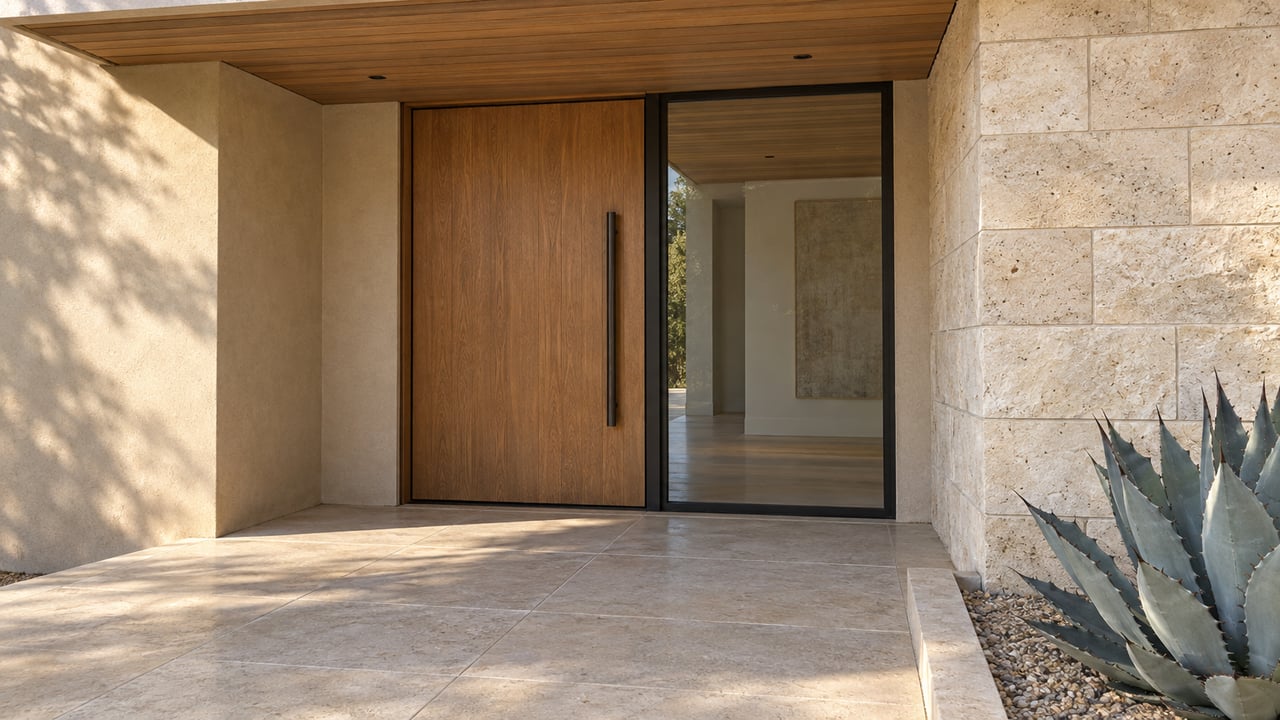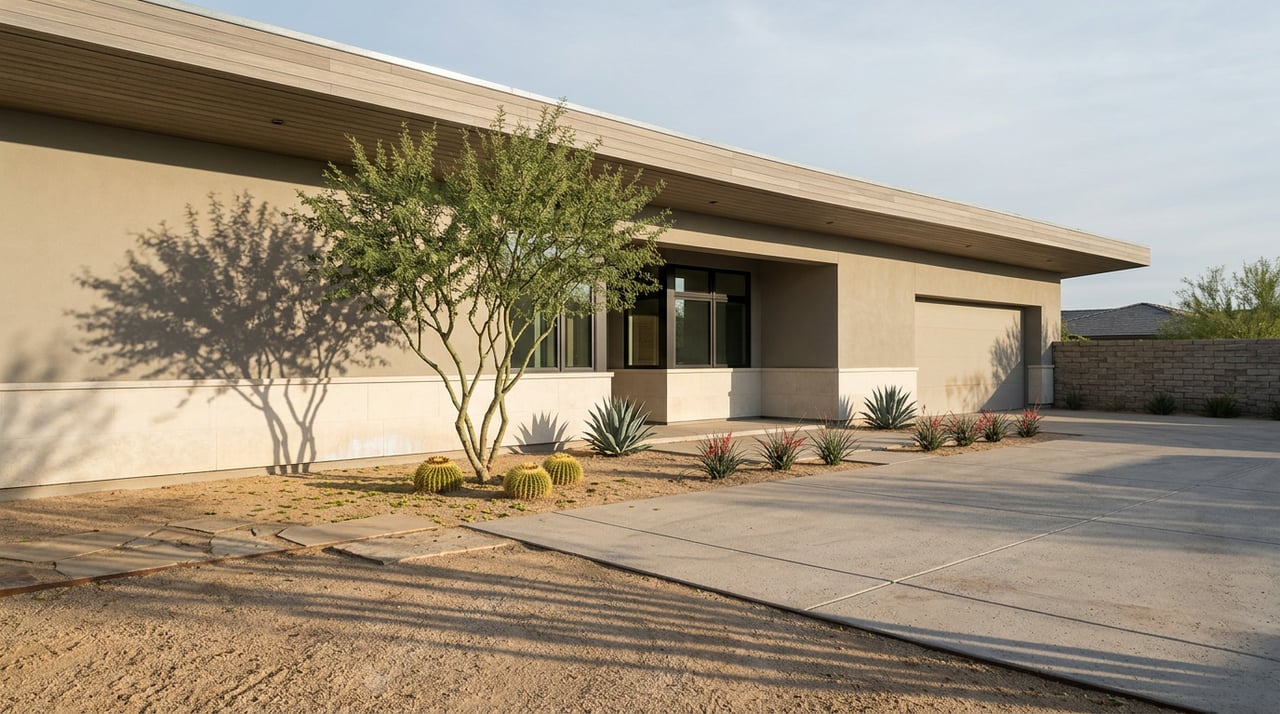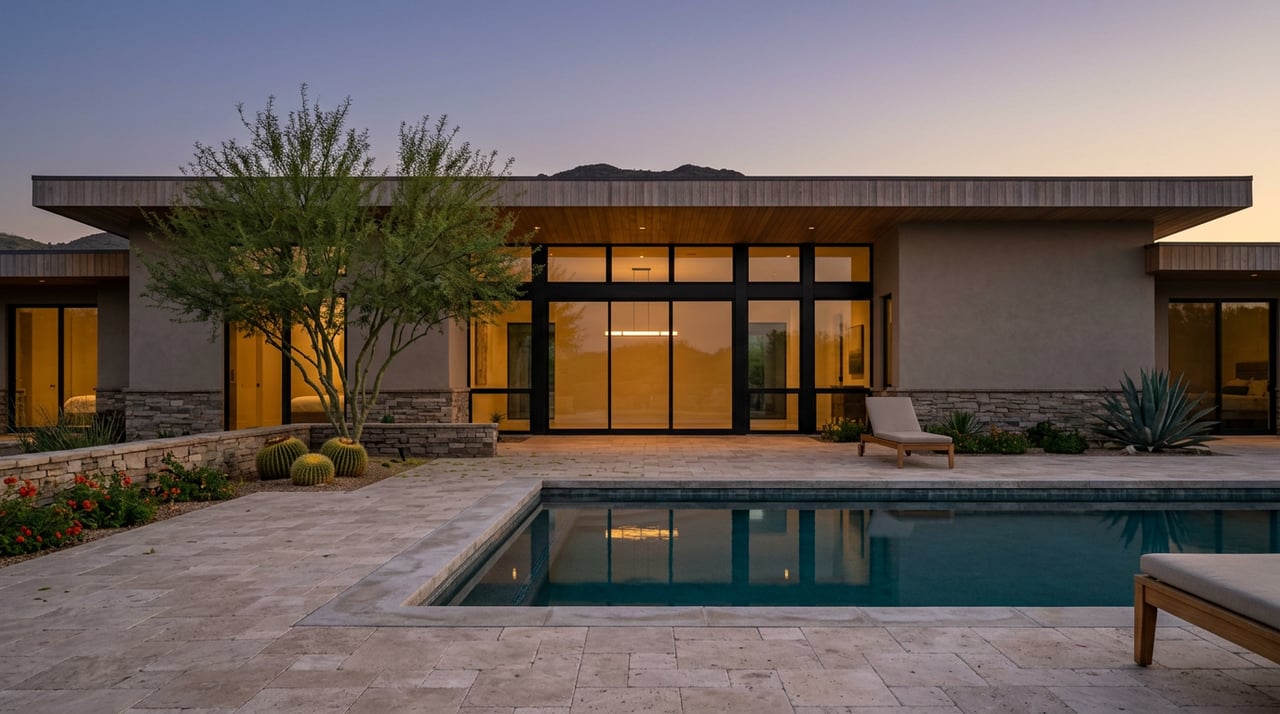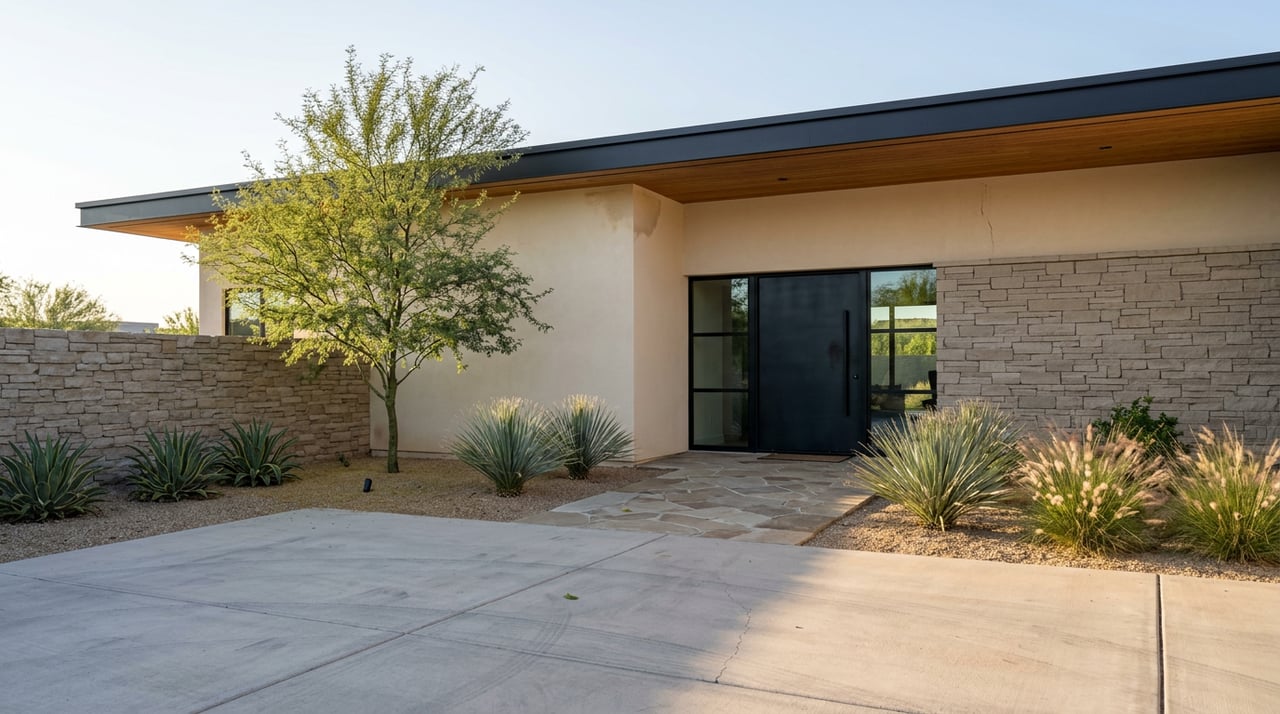
If you are shopping Mesa’s master-planned communities, one of the biggest mistakes you can make is assuming they all offer the same lifestyle. In reality, Mesa gives you several very different options, from newer Gateway-area communities to established neighborhoods with gates, golf, and mountain views. When you understand how these communities differ, you can narrow your search faster and avoid expensive surprises. Let’s dive in.
Why Mesa master-planned communities feel different
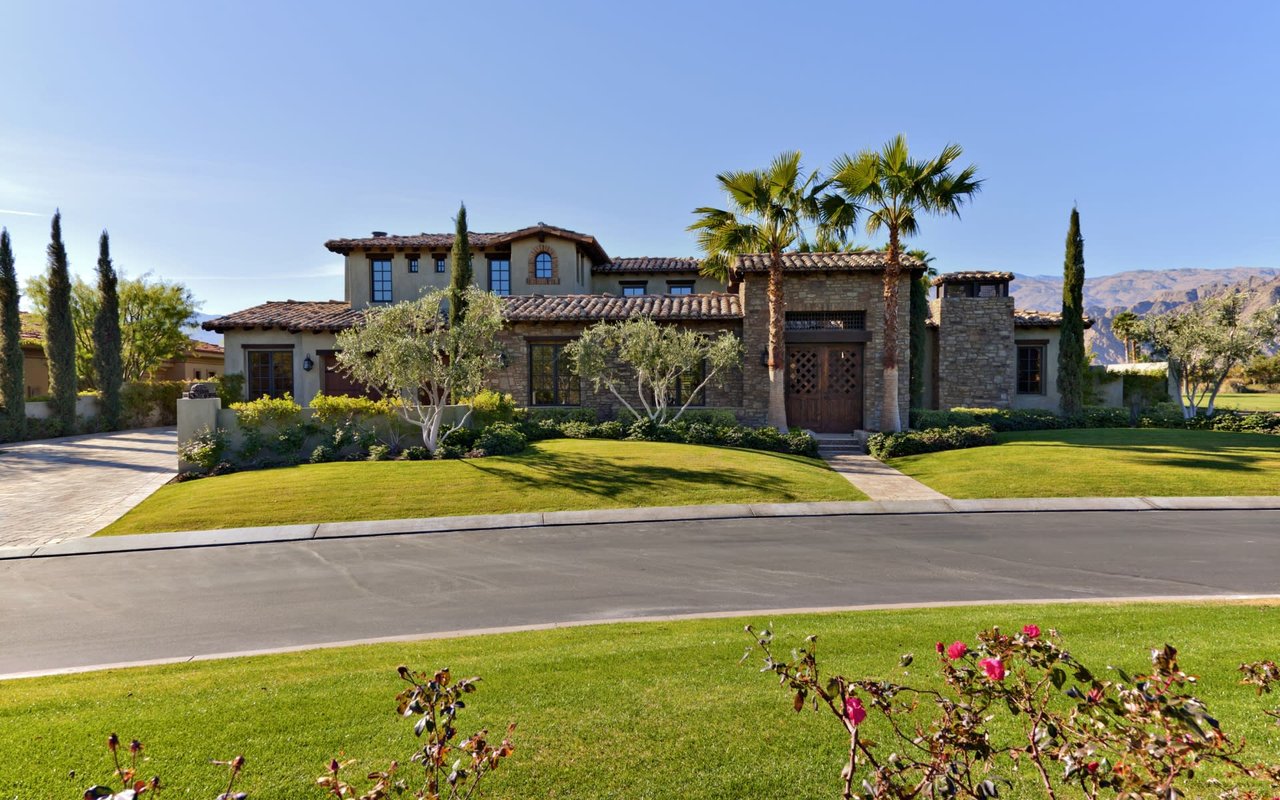
Mesa’s master-planned communities vary by age, layout, amenities, and how much the HOA shapes daily life. In southeast Mesa, Eastmark and Cadence are newer large-scale communities tied to the Gateway corridor. In northeast Mesa, Las Sendas, Mountain Bridge, and Red Mountain Ranch are more established and often place more emphasis on scenery, gates, golf, and amenity oversight.
Mulberry stands apart a bit from both groups. It is smaller and more design-driven, with a neo-traditional style that focuses on front porches, tree-lined streets, and a more walkable neighborhood feel. If you start your search by matching your lifestyle to the community type, you will make much better decisions.
Start with new-build versus resale
One of the first questions to ask is whether the community is still actively being built or whether it is now mostly a resale market. That affects builder options, future construction activity, inventory, and even the feel of the neighborhood. It can also affect what you should expect during your home search.
Eastmark is now primarily resale
Eastmark is a 3,200-acre community in southeast Mesa, and its official site says the final new home has been sold. That means buyers looking in Eastmark today are generally shopping resale homes rather than brand-new builder inventory. If you want the Eastmark lifestyle without ongoing builder decisions, that may be a plus.
Eastmark is known for the Eastmark Great Park, a public park owned and operated by the City of Mesa. Community information highlights a splash pad, lake, event pavilion, open fields, paths, trails, disc golf, and a skate park. The community also reports more than 75 neighborhood parks and notes convenient access to the 101, 202, and 60 freeways plus Phoenix-Mesa Gateway Airport.
Cadence is still an active master plan
Cadence at Gateway is still an active multi-builder community. It includes single-family homes, multifamily residences, and a gated single-family rental neighborhood. That mix matters because it gives buyers more product types to compare, but it also means you should pay close attention to which part of the community you are buying into.
Cadence centers much of its lifestyle around The Square, which includes a resort-style pool, lap pool, spa-style pool, fitness center, community center, event space, STIR lounge, tennis courts, bocce, a fire pit, play areas, and a garden area. The community also advertises 13 parks, a dog park, and miles of walking, biking, and strolling paths. For many buyers, Cadence offers the strongest blend of newer-community energy and a broad amenity package.
Compare Mesa communities by lifestyle
Once you know whether you prefer resale or active development, the next step is comparing lifestyle fit. In Mesa, that often means choosing between newer planned-community living and more established settings with gates, golf, or view corridors.
Choose Eastmark or Cadence for newer energy
Eastmark and Cadence are strong options if you want newer community planning, lots of parks, and a built-in amenity structure. They are especially relevant for buyers drawn to the Gateway corridor and who want community features to play a major role in daily life. These neighborhoods tend to appeal to buyers who want an organized master plan rather than a typical subdivision.
For school access, Eastmark’s contact information lists BASIS Mesa, Sequoia Pathfinder Academy, Eastmark High School, and Gateway Polytechnic Academy among nearby or in-community options. Cadence notes Silver Valley Elementary School and a new high school across the street. As always, you should verify current school attendance, enrollment, and availability directly before making a decision.
Choose Mulberry for a design-driven feel
Mulberry offers a different experience. It is a 173-acre, 708-lot master-planned community described as a neo-traditional neighborhood with old-school charm, front porches, tree-lined boulevards, and a central park. Community details also note rose gardens, open space, pocket parks, trails, sports courts, playgrounds, a pool, a fitness and multipurpose room, and a large great lawn.
If you are drawn to architectural character and a more intimate neighborhood scale, Mulberry may feel more personal than a large regional master plan. It is best understood as a walkable, design-focused neighborhood rather than a golf-centered or resort-gated environment.
Choose Las Sendas, Mountain Bridge, or Red Mountain Ranch for established settings
Las Sendas, Mountain Bridge, and Red Mountain Ranch each offer a more established North or East Mesa feel. These communities are especially relevant if you care about desert views, gates, golf access, or a stronger HOA-managed environment. They do not offer the same product as Eastmark or Cadence, and that difference matters.
Las Sendas includes more than 3,400 homes, along with pools, pickleball courts, parks, community-wide events, and an extensive trail system. The HOA describes the setting as a desert environment with mountain and valley views, and the community also uses gate remotes, RFID stickers, and amenity access cards. Owners voted in 2022 to amend the CC&Rs to prohibit short-term rentals, which is a meaningful detail for buyers who want to understand use restrictions.
Mountain Bridge is a gated, resort-style community in North Mesa. Its Owners’ Club includes a beach-entry pool, spa, fitness center, sports courts, and an event lawn. The HOA’s new-owner process also shows how structured the community experience is, with check-in at the on-site association office and the use of gate remotes and amenity fobs.
Red Mountain Ranch is an established northeast Mesa community built in 1988 with about 1,680 homes. It includes neighborhood parks, a lake, and a mix of custom and non-custom single-family homes. The Red Mountain Ranch Country Club is a separate semi-private entity, and membership is optional, which makes this community especially relevant if you want a mature golf-community setting without assuming club access is included automatically.
Watch the HOA documents closely
In Mesa master-planned communities, the HOA documents often matter just as much as the home itself. Rules around exterior changes, landscaping, parking, rentals, and amenity access can affect your day-to-day life more than buyers expect. That is why reading the documents before you write an offer is so important.
Eastmark’s enforcement guidelines address vehicle issues, landscape maintenance, unapproved architectural changes, and short-term property rentals. Cadence also publishes CC&Rs, design guidelines, enforcement policies, and assessment-collection policies. Mountain Bridge and Red Mountain Ranch also emphasize architectural review or modification oversight, so exterior changes are usually not casual decisions.
Understand HOA dues versus CFD costs
Another key step is separating HOA dues from CFD assessments. In Mesa, those are not the same thing. If you overlook that difference, your monthly ownership cost can feel very different from what you expected.
The City of Mesa says Eastmark and Cadence are among the city’s CFD districts. These districts were formed to help fund parks, roadways, sewer, water, storm drain, signage, street lights, landscape, and related improvements. The city explains that CFD charges appear on the property tax bill and can include both a flat assessment area charge and an ongoing CFD charge.
That means a home can look attractive at the listing price but still carry added fixed costs beyond HOA dues. When you compare homes in Mesa master-planned communities, ask for a clear breakdown of both HOA obligations and any CFD-related charges before you move forward.
Clarify what amenities are actually included
One more smart question to ask is whether the amenities are HOA-owned, city-owned, or separately operated. Buyers sometimes assume all community features are included in the monthly dues, but that is not always the case. Mesa has several examples where the answer changes from one community to the next.
In Eastmark, the Great Park is a public park owned and operated by the City of Mesa. In Red Mountain Ranch, the country club is separate from the HOA and membership is optional. In Mountain Bridge and Las Sendas, the HOA-managed access system is a more visible part of the ownership experience, with cards, fobs, RFID tags, or gate remotes involved.
A simple Mesa buyer checklist
If you want to shop Mesa’s master-planned communities with more confidence, keep your process simple and focused. These questions can help you compare communities in a way that goes beyond photos and floor plans.
- Confirm whether the community is still actively building or is now mostly resale
- Verify whether the home is subject to a CFD assessment
- Review the CC&Rs, design guidelines, and enforcement policies before making an offer
- Ask whether amenities are HOA-owned, city-owned, or separately operated
- Clarify whether club, golf, or special amenity access is included in dues or handled separately
- Make sure the community’s overall feel matches how you want to live, not just what looks good online
The best Mesa community for you depends on what matters most in your day-to-day life. Some buyers want newer energy, parks, and a broad amenity package. Others prefer a more established setting with gates, golf, views, or a stronger architectural identity.
That is where local guidance can make a real difference. When you compare communities the right way, you can buy with more clarity and fewer surprises. If you are weighing Mesa neighborhoods and want help narrowing down the best fit, connect with The Gillette Group.
FAQs
What should buyers know about Eastmark in Mesa?
- Eastmark is a large southeast Mesa community that is now primarily resale because the final new home has been sold, and buyers should also review HOA rules and possible CFD charges.
What should buyers know about Cadence at Gateway in Mesa?
- Cadence is still an active multi-builder master-planned community with single-family, multifamily, and rental components, plus a large amenity core and possible CFD-related costs.
How is Mulberry different from other Mesa master-planned communities?
- Mulberry is a smaller, neo-traditional community focused on front-porch character, tree-lined streets, parks, trails, and a walkable neighborhood feel rather than golf or resort-style gating.
What makes Las Sendas, Mountain Bridge, and Red Mountain Ranch distinct in Mesa?
- These communities are more established and tend to place more emphasis on scenery, gates, golf access, and HOA-managed amenities than Mesa’s newer Gateway-area communities.
What is a CFD in Mesa master-planned communities?
- A CFD is a community facility district charge that appears on the property tax bill and can be separate from HOA dues, so buyers should budget for both when applicable.
Why do HOA documents matter in Mesa planned communities?
- HOA documents can spell out rules for landscaping, vehicles, rentals, exterior changes, and amenity use, which can directly affect your ownership experience.