If your workdays move fast, where you live can either make life easier or add friction to every single week. Phoenix stands out because it gives you real options for commuting, housing, work-friendly spaces, and after-hours downtime, all in a major metro that still offers a manageable daily rhythm for many professionals. If you are weighing a move or trying to decide which part of the city fits your schedule best, this guide will help you think through what living in Phoenix can actually look like. Let’s dive in.
Why Phoenix fits busy professionals
Phoenix has the kind of economy that supports a wide range of office-based and professional careers. The city identifies technology, healthcare, and advanced manufacturing as major growth areas, and professional, scientific, management, education, and healthcare jobs make up a large share of local employment.
That matters because your home search is not happening in a vacuum. If you are building a career, changing roles, or relocating for work, Phoenix offers a broad enough job base to support different paths without forcing you into a one-size-fits-all lifestyle.
Another practical advantage is commute time. Census data shows Phoenix has a mean travel time to work of 25.6 minutes, with 62.5% of commuters traveling less than 30 minutes and 5.8% traveling 60 minutes or more.
For a large city, that balance can be appealing. You may still need to plan carefully around where you live and work, but Phoenix often gives you a better shot at a workable routine than many people expect.
Commute options in Phoenix
Your day-to-day experience in Phoenix depends a lot on how you plan to get around. Some professionals want the simplest drive possible, while others want transit access, airport convenience, or the ability to mix in biking and short walks.
Phoenix has been actively shaping its core around mobility and livability. The city uses urban villages, transit-oriented communities, and a walkable urban code, and its Downtown Transportation Plan is focused on improving access, mobility, economic opportunity, and overall livability.
Light rail and transit access
Valley Metro’s rail system currently spans 35 miles with 51 stations, and the 2025 network runs as the A Line and B Line across Phoenix, Tempe, and Mesa. For professionals who want a more connected lifestyle, that can make a real difference when choosing where to live.
Transit access is especially useful if you work near downtown, in Tempe, or along established rail corridors. It can also help reduce the stress of daily driving if your schedule includes regular meetings, office commutes, or events in the urban core.
Airport convenience matters
If you travel often for work, airport access may be one of your biggest quality-of-life factors. The rail system connects to Phoenix Sky Harbor International Airport at 44th Street and Washington, where the PHX Sky Train runs 24/7 between the rail station, terminals, parking, and the rental car center.
That setup can be a major perk for frequent flyers. Instead of treating airport runs like a major production, you may be able to build your home search around faster, simpler access to one of the busiest parts of your routine.
Bikes, e-bikes, and short trips
For shorter trips, Phoenix also supports active transportation. The city reports 1,194.54 lane miles of standard bike lanes plus paved shared-use paths, and the Grand Canalscape adds a 12-mile continuous multi-use trail along the Grand Canal.
If you like the idea of mixing driving with e-biking, scooters, or recreational rides, that flexibility can add value to your week. It may not replace your car, but it can create a more convenient and balanced daily pattern in the right area.
Choosing the right Phoenix lifestyle
One of the biggest mistakes busy professionals make is searching too broadly without matching the home to the way they actually live. In Phoenix, the right fit often comes down to whether you want walkability, office access, coworking options, or more space at home.
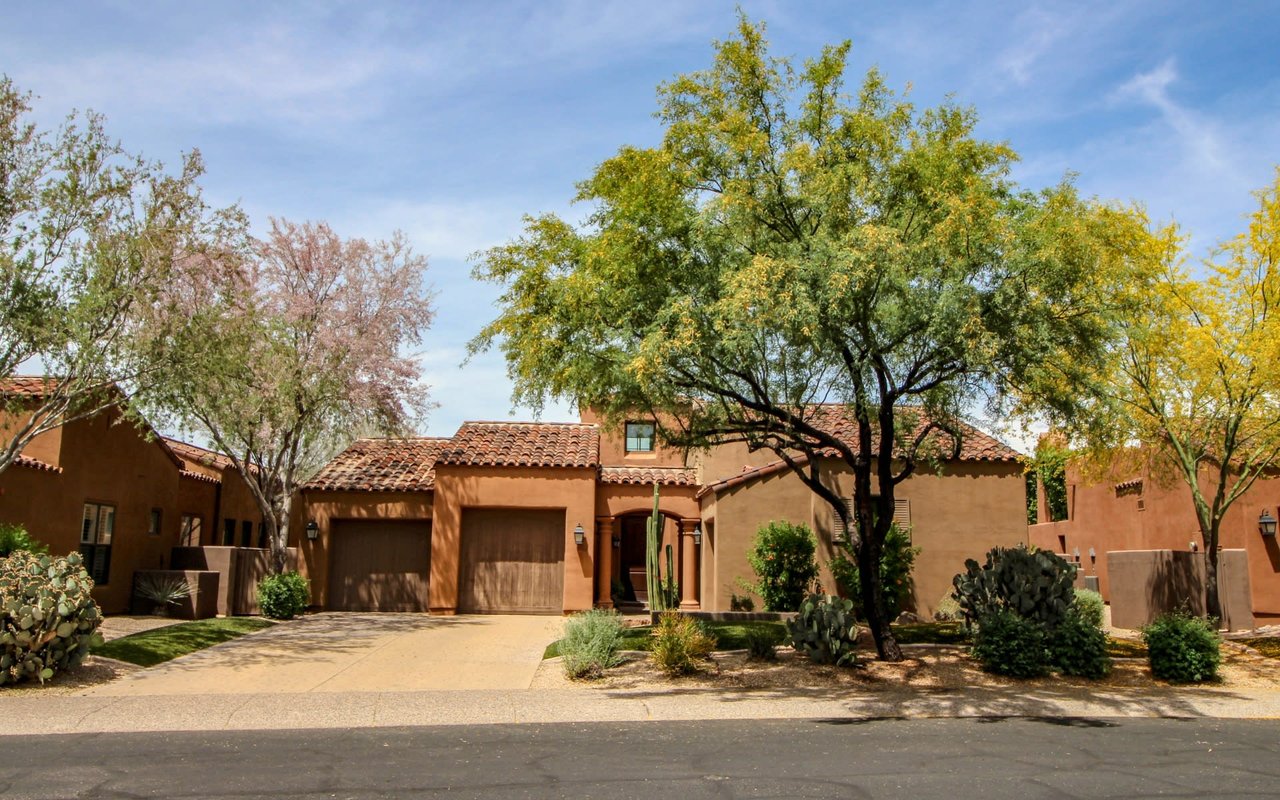
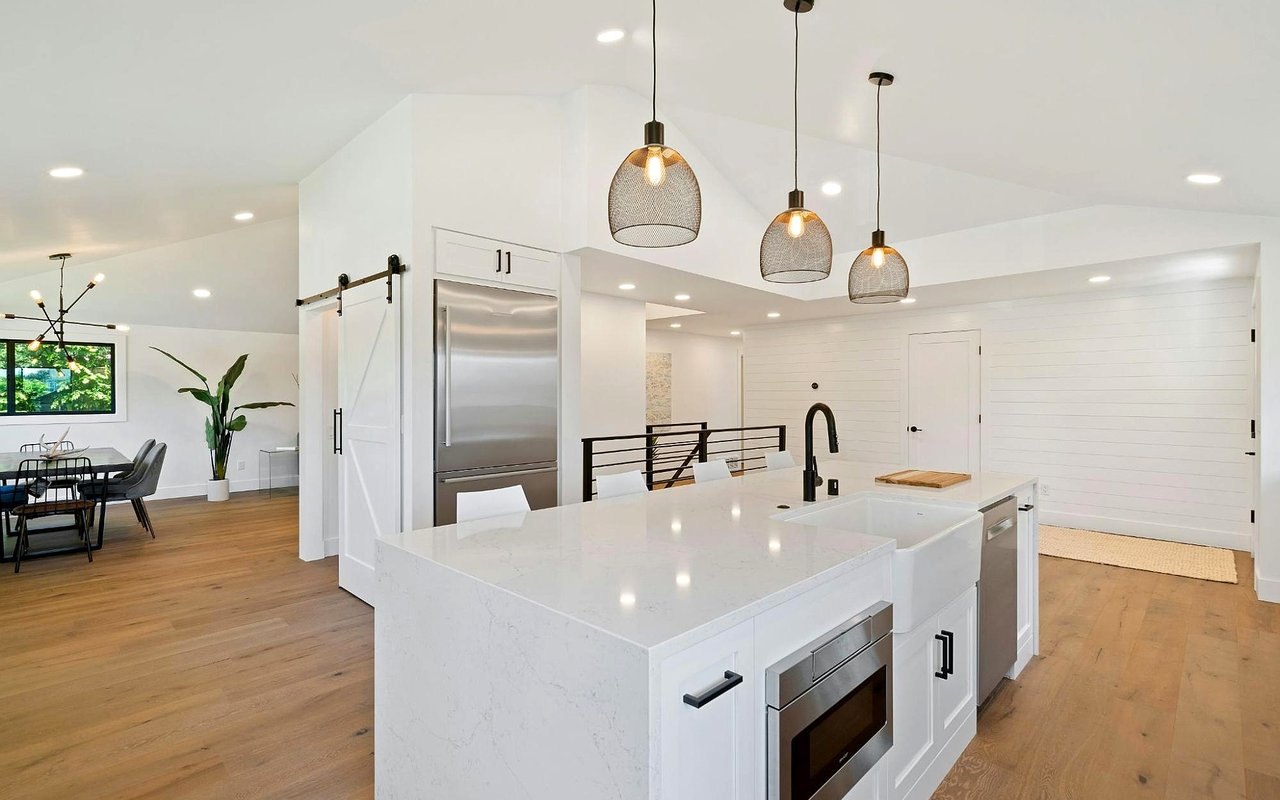
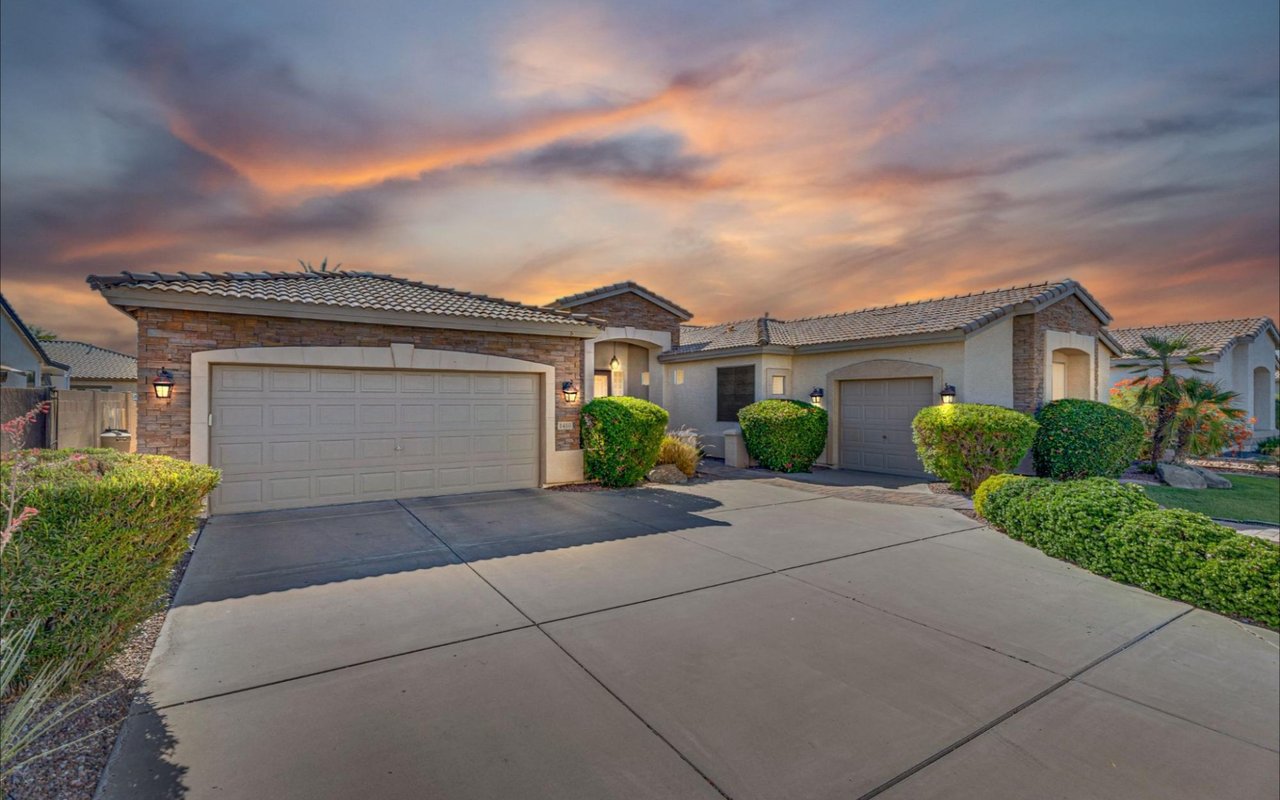
The city’s housing stock still leans heavily toward detached homes. According to the city plan, 59.9% of residential properties are single-family detached homes, while 26.2% are multifamily buildings, 4.7% are single-unit attached homes, and 3.0% are mobile home or other housing types.
That mix creates clear tradeoffs. If you want to be near the center of activity, your options may look different than if your top priority is square footage, extra bedrooms, or a separate home office.
Central Phoenix and downtown-adjacent living
If you want a more connected, apartment-or-condo-friendly lifestyle, central Phoenix and downtown-adjacent areas often make the most sense. The research points to central Phoenix and districts near downtown, including Roosevelt Row, as a strong match for professionals who want easier access to walkable amenities and coworking.
This setup can work well if your ideal week includes grabbing coffee nearby, using shared workspaces, attending events after work, and keeping your commute or social plans more centralized. It is often the best fit for people who value convenience and energy over maximum square footage.
Biltmore and Camelback corridor access
The Biltmore and Camelback corridor is another practical option, especially if office adjacency and flexible workspace matter to you. The research notes this area as a fit for professionals who want access to work hubs along with room for a more adaptable routine.
If your schedule includes in-person meetings, quick freeway access, or a hybrid work setup, this part of Phoenix may offer a strong middle ground. It can give you convenience without requiring you to be in the most urban part of the city.
More space farther from the core
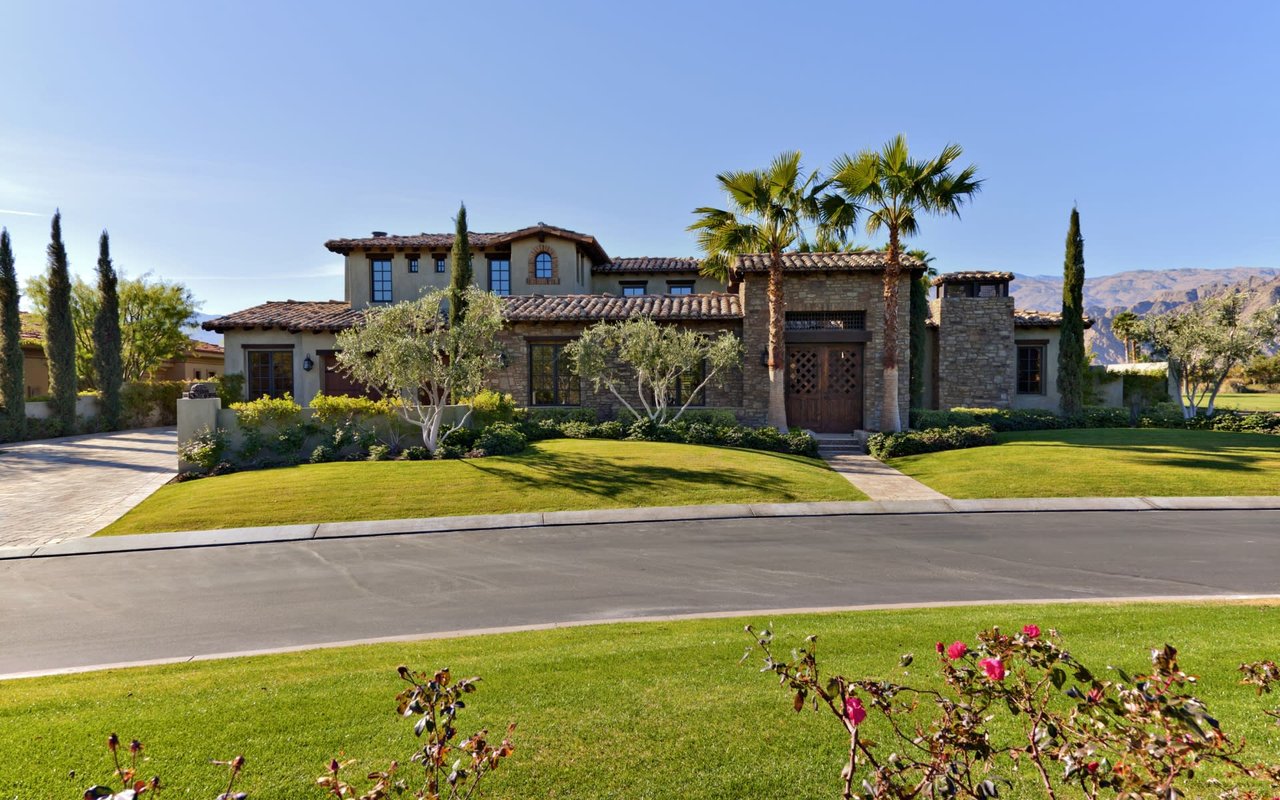
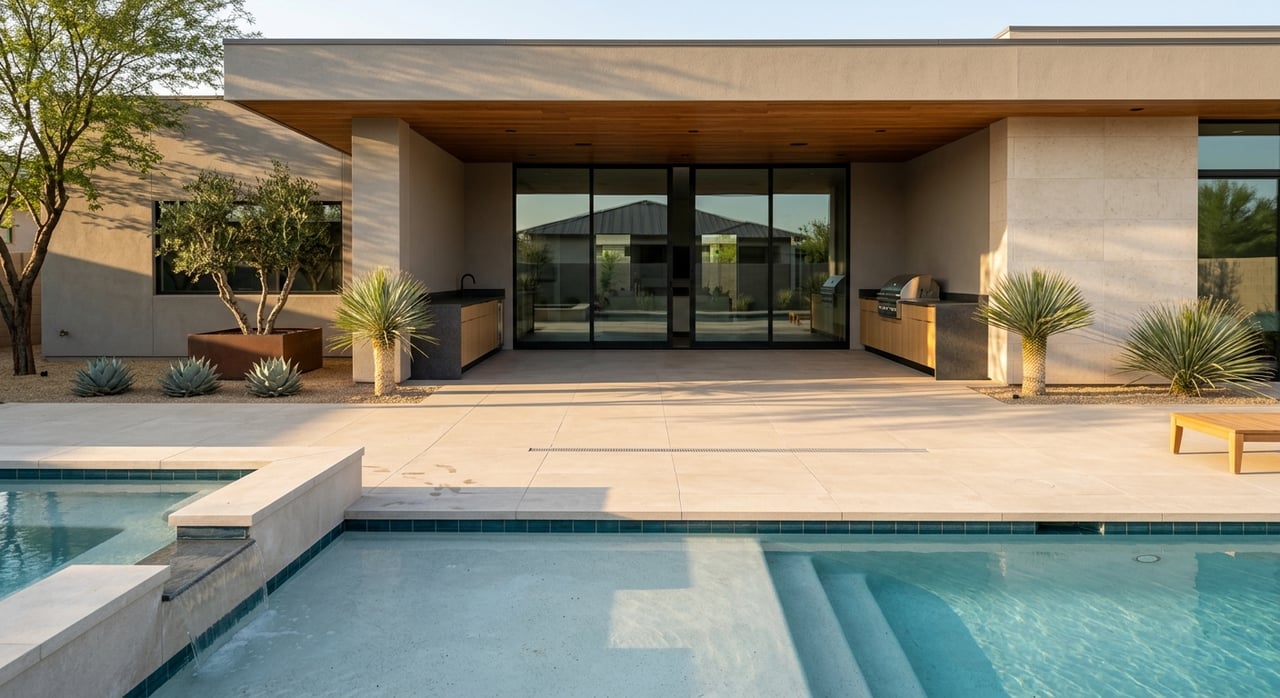
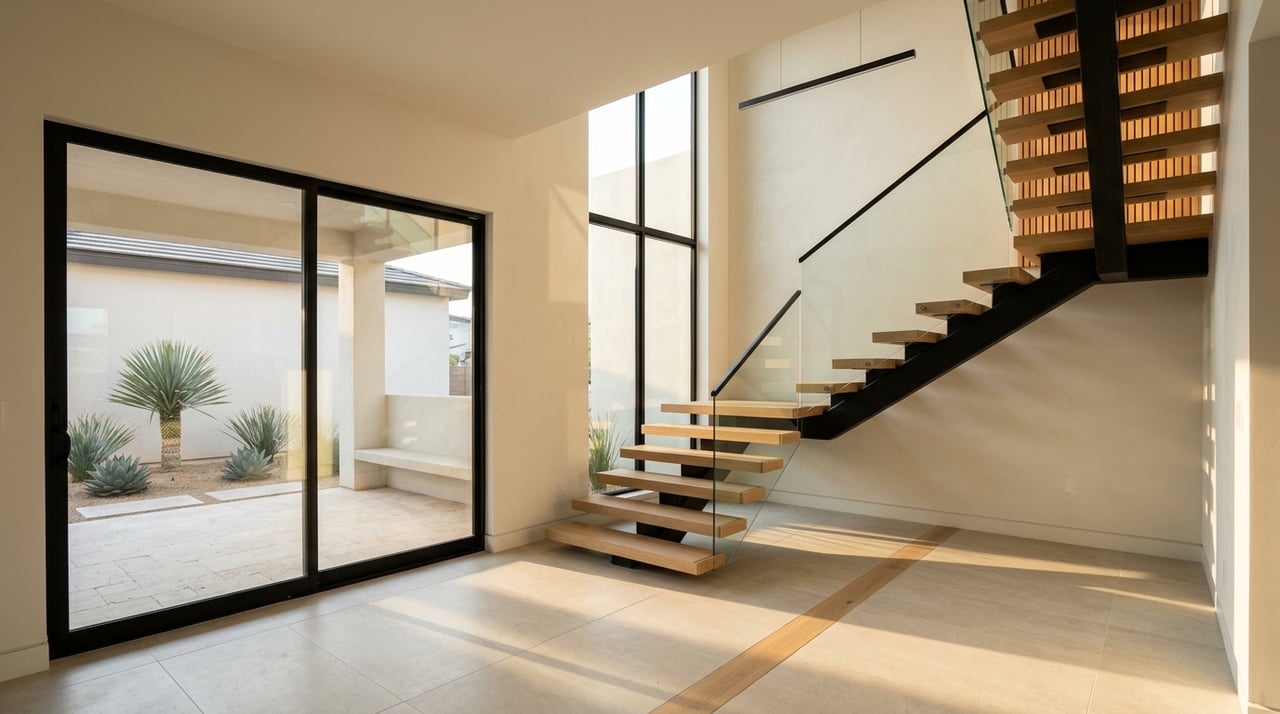
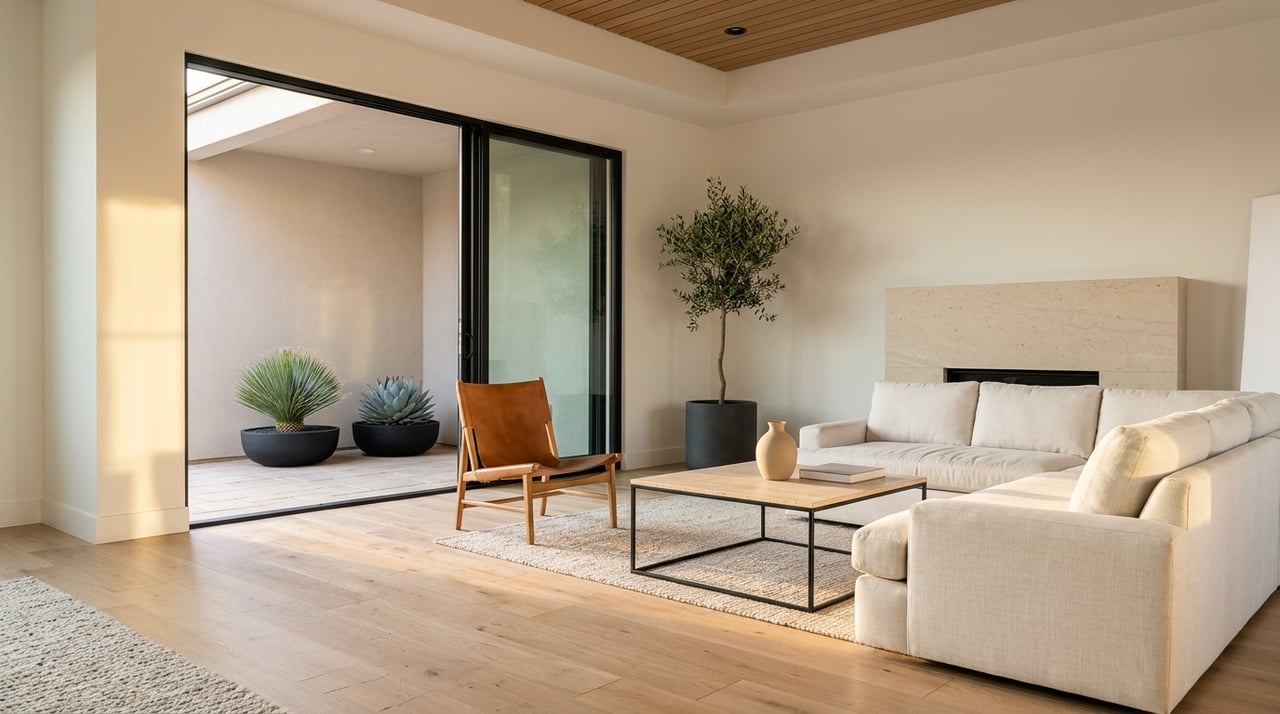
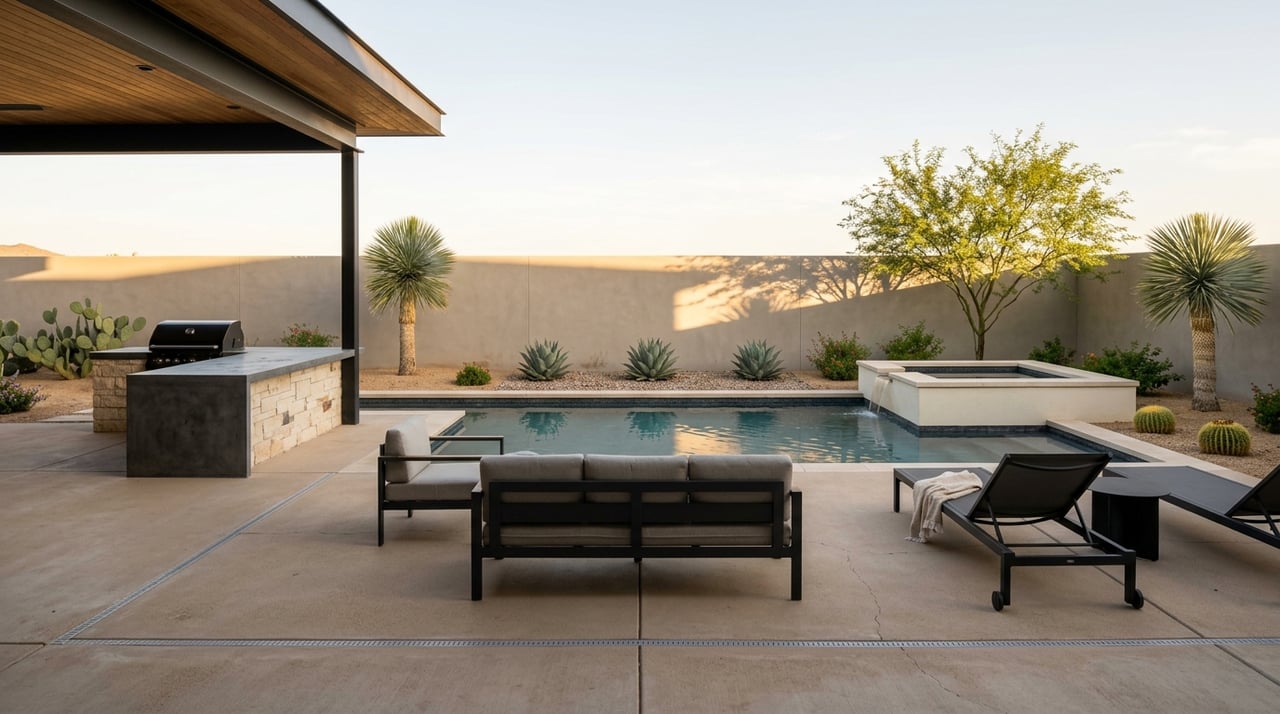
If you care most about space, detached homes, or room to grow, you will usually look farther from the urban center. That lines up with Phoenix’s housing profile, where detached homes make up the majority of the stock.
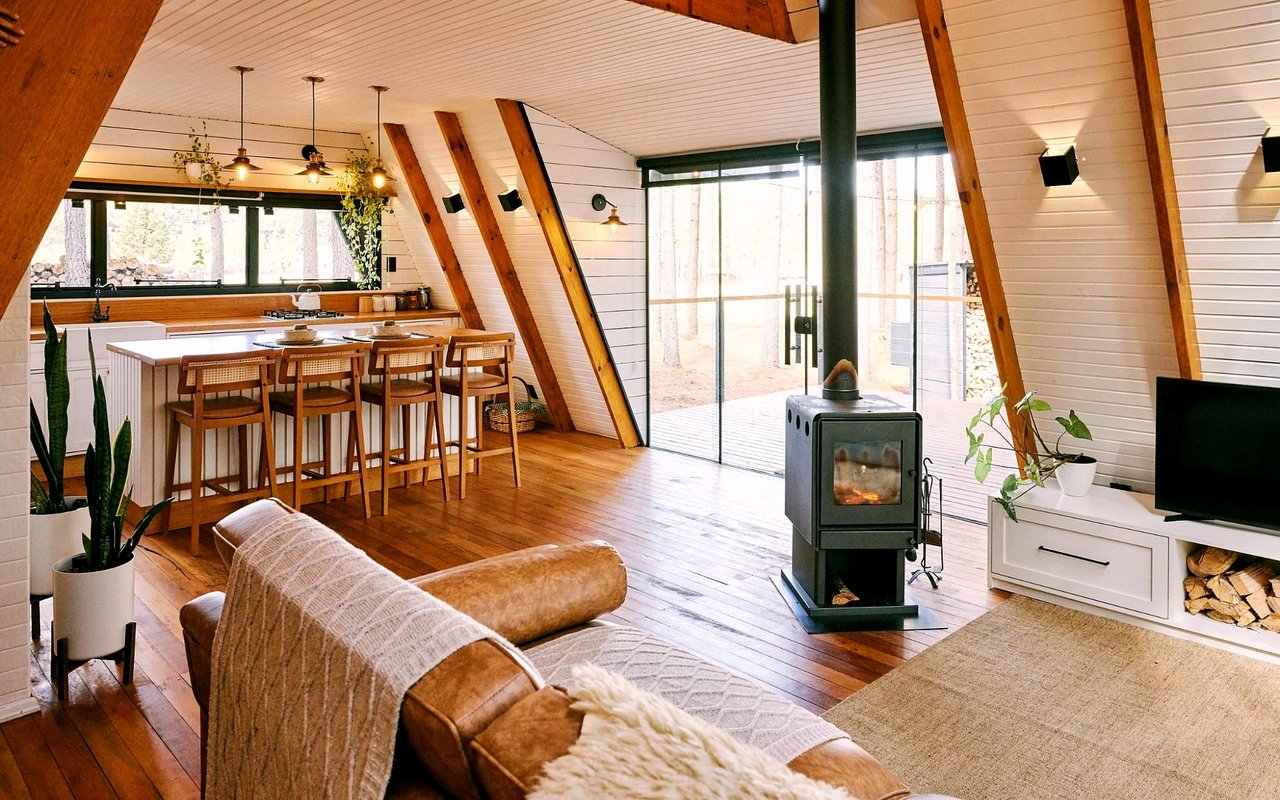
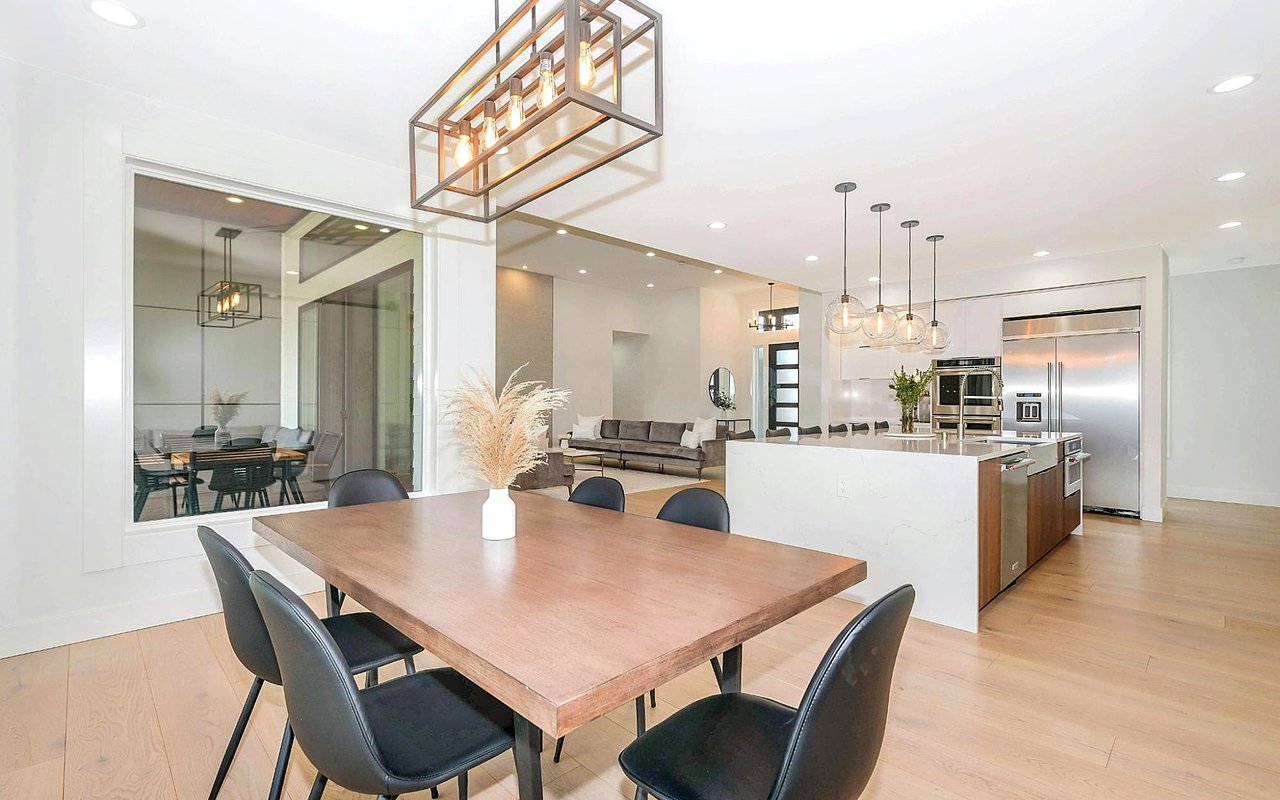
This can be a strong move if your home needs to do more. Maybe you want a dedicated office, a guest room, more storage, or simply a quieter setup that supports a demanding schedule.
What the housing numbers tell you
Phoenix can offer opportunity, but affordability is still a real issue. The city’s Housing Phoenix Plan identifies affordability as one of Phoenix’s toughest challenges and sets a goal of creating or preserving 50,000 homes by 2030.
For context, Phoenix’s owner-occupied housing rate is 57.3%, the median owner-occupied home value is $420,700, and the median household income is $81,332. The same housing plan also cites a 2026 fair-market rent of $1,839 for a two-bedroom apartment in Maricopa County.
Those numbers matter if you are deciding whether to keep renting or start planning a purchase. They do not answer the question for you, but they give useful perspective on the financial environment you are stepping into.
Renting now, buying later
The unit mix in Phoenix also helps explain why many professionals start with a rental and buy later. Owner-occupied homes are heavily weighted toward larger layouts, with 82.7% offering three or more bedrooms, while rental units are more evenly spread across smaller and mid-size options.
That means renting may offer flexibility if you want a central location and lower-maintenance living. Buying may become more attractive once you want more room, a longer-term base, or a home that better supports your work and lifestyle.
Work-friendly spaces beyond home
If you work remotely or on a hybrid schedule, your productivity may depend on more than your floor plan. Phoenix offers several coworking options that can help you break up the week and give you a more professional place to focus.
Current options in central Phoenix include CO+HOOTS at 221 E Indianola. Downtown, the Heard Building offers meeting rooms, phone booths, bike storage, and rooftop event areas, while Rosie provides a 4,500-square-foot coworking space with pool deck and fitness center access. In the Biltmore corridor, Workuity is located at 2390 E Camelback Road near AZ-51.
Phoenix Public Library also adds another useful layer. The city says the library system includes 16 branch libraries, Burton Barr Central Library, and a Bookmobile, along with free career tools and support.
For a busy professional, that variety can matter more than it sounds. Having backup places to work, take calls, or reset your focus can make your whole week run better.
After-work life in Phoenix
A city can check every practical box and still fall flat if it does not help you enjoy your time off. Phoenix offers a wide mix of arts, events, sports, and outdoor access that can make your routine feel more balanced.
Roosevelt Row is one of the strongest examples for professionals who want a walkable after-work scene. Visit Phoenix describes it as downtown’s walkable arts district, known for galleries, restaurants, bars, boutique shops, murals, First Fridays, and a monthly First Friday A.R.T.S. Market that can draw more than 20,000 attendees.
Across the city, Phoenix also features cultural destinations such as Phoenix Art Museum, Orpheum Theatre, Herberger Theater Center, and Historic Heritage Square. For sports fans, the city is also known for major teams and annual events, including the Cardinals, Suns, Diamondbacks, Mercury, Phoenix Rising FC, the WM Phoenix Open, and Cactus League Spring Training.
Outdoor access and the heat tradeoff
Outdoor access is another major plus, especially if movement helps you recharge after long workdays. South Mountain Park and Preserve spans more than 16,000 acres with more than 100 miles of trails, and the Phoenix Mountains Preserve is located in central Phoenix and about 20 minutes from downtown.
Still, Phoenix’s biggest seasonal tradeoff is heat. The city’s Office of Heat Response and Mitigation and its trail heat safety guidance make it clear that during Extreme Heat Warnings, some trails can close from 8 a.m. to 5 p.m., including routes at Echo Canyon, Cholla, Piestewa Peak, and South Mountain.
That means your routine may need to shift with the season. In summer, many professionals do best with early morning workouts, evening outings, and a home setup that makes indoor comfort easier.
Best fit depends on your routine
The best version of Phoenix for a busy professional is not just about buying or renting in the hottest area. It is about matching your home choice to the way your week actually works.
If you want rail access, coworking, and a more walkable feel, the urban core may be your best fit. If you want office adjacency and flexibility, the Biltmore and Camelback corridor may make more sense. If you want space and a detached home, you will likely look farther from the center.
That kind of clarity can save you time, money, and frustration. When your housing choice supports your commute, work style, and off-hours routine, Phoenix becomes much easier to enjoy.
If you are thinking about a move and want help narrowing down the right Phoenix-area fit for your schedule, goals, and housing priorities, connect with The Gillette Group.
FAQs
Is Phoenix a good city for busy professionals?
- Yes. Phoenix offers a broad job base, many commutes under 30 minutes, expanding transit access, and a range of housing and lifestyle options that can fit different work routines.
What is commuting in Phoenix like for working adults?
- Census data shows the mean travel time to work in Phoenix is 25.6 minutes, with 62.5% of commuters traveling less than 30 minutes.
What Phoenix areas fit professionals who want walkability?
- The research points to central Phoenix and downtown-adjacent districts such as Roosevelt Row as strong options for professionals who want walkable amenities, coworking access, and a more connected lifestyle.
What Phoenix area fits professionals who want office access?
- The Biltmore and Camelback corridor is highlighted in the research as a strong fit for people who want office adjacency and flexible workspace options.
Is Phoenix good for remote or hybrid workers?
- It can be. Phoenix offers multiple coworking spaces in central Phoenix, downtown, and the Biltmore corridor, and the city library system adds more work-friendly options.
What should professionals know about Phoenix heat?
- Heat is a major seasonal factor. During Extreme Heat Warnings, certain trails can close during the day, so many outdoor routines shift to early mornings, evenings, or cooler parts of the year.