Wondering what Glendale really feels like beyond the headlines, game days, and big event crowds? If you are thinking about moving to this part of the Valley, you want more than a list of attractions. You want to know how entertainment, neighborhoods, and everyday living come together. This guide will help you understand Glendale’s different lifestyle pockets, what each area is known for, and how to think about fit before you make a move. Let’s dive in.
Why Glendale Feels So Varied
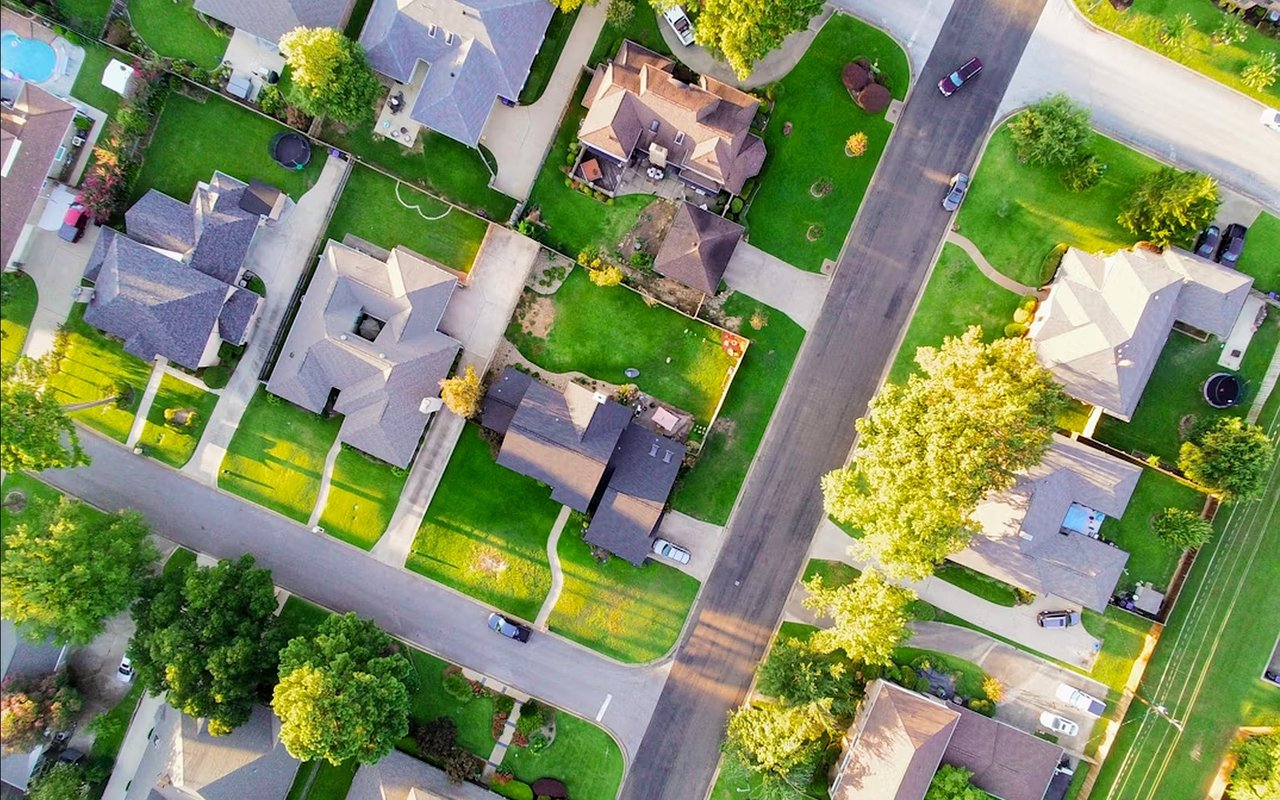
Glendale is a large West Valley city with an estimated population of 260,572 and 88,633 households. The city’s planning framework also recognizes nearly 200 registered neighborhoods and HOAs, which helps explain why Glendale can feel very different from one area to another.
That variety is a big part of Glendale’s appeal. City planning documents describe several distinct character areas, including an older downtown core, the Westgate and Loop 101 entertainment corridor, the Arrowhead area in north and northwest Glendale, and western areas with larger lots and master-planned communities. If you are comparing neighborhoods, that lifestyle range is one of the most important things to understand.
Glendale Entertainment at a Glance
Glendale has some of the biggest entertainment draws in the West Valley. It is home to major venues, seasonal events, and walkable districts that create energy well beyond a typical suburban pattern.
At the same time, Glendale is not only about stadiums and concerts. The city also offers parks, trails, libraries, and community spaces that support day-to-day living. That balance is what makes Glendale stand out for buyers who want both activity and livability.
Westgate Brings Year-Round Energy
Westgate Entertainment District is one of Glendale’s best-known destinations. It describes itself as a walkable outdoor district with specialty shops, eateries, and entertainment, and it notes that parking is free every day, including event days.
WaterDance Plaza adds another layer to the experience. The space has hosted concerts, New Year’s Eve celebrations, Fiesta Bowl fan events, College Football Playoff gatherings, and Super Bowl-related activities. If you like living near a district with a steady event calendar, this part of Glendale is hard to ignore.
Major Venues Shape the Area
State Farm Stadium is Glendale’s highest-profile sports venue. It has a retractable roof, natural grass, a fixed capacity of 63,400, and can expand to more than 73,000 for larger events.
The stadium is also used for major sports and entertainment programming beyond NFL games. Nearby, Desert Diamond Arena adds even more activity, drawing more than one million visitors annually through concerts, family shows, and sporting events.
Spring Training Adds Seasonal Appeal
Camelback Ranch-Glendale gives the city another strong entertainment anchor. It has served as the spring training home of the Chicago White Sox and Los Angeles Dodgers since 2009.
The 141-acre property includes walking trails, citrus groves, water features, and a 13,000-seat main stadium. For many residents, that seasonal baseball atmosphere is part of what makes Glendale feel active and connected to the broader Phoenix area.
Downtown Glendale Offers Character
If your idea of lifestyle leans more historic and walkable, downtown Glendale offers a very different experience from Westgate. City planning materials describe downtown as an older, established area with a mix of single-family and multi-family residential uses.
This part of the city blends homes, local businesses, specialty shops, restaurants, City Hall, and a mixed-use parking structure. It feels more rooted in history and everyday local activity than large-scale event traffic.
Catlin Court Adds Historic Texture
Near downtown, the Catlin Court Historic District adds another layer of identity. Planning materials note that some homes there have been converted into small retail businesses, which contributes to the area’s distinct character.
For buyers who value older homes, established streetscapes, and a more pedestrian-oriented setting, this is one of Glendale’s clearest lifestyle niches. It is less about mega-events and more about charm, local shopping, and a sense of place.
Westgate Area Fits an Active Lifestyle
The Westgate and Loop 101 area is one of Glendale’s most modern and fast-moving lifestyle zones. The city describes it as a developing district with master-planned residential areas, major entertainment and commercial uses, and some open agricultural land.
That mix tends to appeal to buyers who want newer suburban housing with close access to dining, concerts, sports, and major events. If being near activity matters to you, this part of Glendale may feel especially convenient.
What Living Near Westgate Can Mean
Living in this area can offer easier access to:
- Stadium events
- Concerts and arena shows
- Dining and casual nightlife
- Retail and entertainment in a walkable district
- Regional travel routes around Loop 101
For some buyers, that means excitement and convenience. For others, it may mean thinking carefully about how often they want to be near event-driven activity. The right fit depends on your daily routine and what kind of environment feels most comfortable.
North Glendale Feels More Retail-Suburban
North and northwest Glendale, including the Arrowhead area, create another distinct lifestyle option. Planning documents describe this part of the city as a mix of residential developments and key commercial corridors.
The nearby planning area around Arrowhead Towne Center is framed as a mixed-use activity center with commercial, office, light industrial, single-family, multi-family, and business park uses. In practical terms, this side of Glendale often feels more like a suburban retail hub than an event-focused destination.
Arrowhead Supports Everyday Convenience
Arrowhead Towne Center adds to that daily convenience factor. The center includes stores, restaurants and bars, movies, Round1 Bowling & Arcade, and Spo-Cha sports challenge activities.
If you want entertainment options without living in the middle of the stadium district, north Glendale may offer a more balanced feel. You still get shopping and recreation nearby, but the area’s identity is more rooted in everyday suburban patterns.
Western Glendale Offers More Space
Farther west, Glendale shifts again. The city describes its western planning area as a mix of large master-planned residential communities, large-lot single-family properties, developed land near Luke Air Force Base, and agricultural land.
This area may be worth a closer look if you want more room and a lower-density feel. Compared with the entertainment corridor, western Glendale can offer a different pace and a stronger sense of separation from the city’s busiest activity centers.
Parks, Trails, and Everyday Recreation
A neighborhood lifestyle is not built on entertainment alone. Glendale also supports an active daily routine through parks, trails, and recreation facilities across the city.
According to the city’s trail brochure, Glendale has 96 parks and green spaces along with many miles of trails. That gives residents a wide range of options for getting outside close to home.
Outdoor Options Go Beyond the Big Venues
Thunderbird Conservation Park includes a 9-mile decomposed-granite equestrian trail. The city’s mapped trail network also reaches areas such as Westgate, Glendale Heroes Regional Park, and the Grand Canal Linear Park.
That matters if you want a lifestyle that balances high-energy entertainment with outdoor access. You can enjoy major events when you want them, while still having places to walk, ride, or unwind during the week.
Libraries, Community Centers, and Daily Services
Glendale also functions as a neighborhood city in the ways that matter most over time. The city operates community spaces including Glendale Community Center, O’Neil Recreation Center, and Rose Lane Community Center.
Its public library system includes Foothills Library, Heroes Regional Park Library, Main Library, and Velma Teague Library. Services include free Wi-Fi, digital items, culture passes, meeting rooms, study rooms, and mobile hotspots for at-home internet access.
These details may sound small compared with stadiums and arenas, but they shape your daily experience. For many buyers, this is the side of Glendale that makes the city feel practical and livable, not just exciting.
Getting Around Glendale
If mobility matters to you, Glendale offers some transit support through its Urban Shuttle system. The shuttle links key corridors and downtown-focused routes, which may be useful if you want options beyond driving for every local trip.
Road access is also part of Glendale’s lifestyle picture, especially around major destinations like Westgate and the Arrowhead area. When comparing neighborhoods, it helps to think not just about the home itself, but also about how often you will travel to work, shopping, parks, and entertainment.
How to Choose the Right Glendale Lifestyle
The best part of Glendale is that it does not force one lifestyle. Instead, it gives you several.
A simple way to think about Glendale is this:
- Downtown Glendale: historic, established, and more walkable
- Westgate and Loop 101: active, event-oriented, and newer in feel
- North and northwest Glendale: retail-suburban with strong everyday convenience
- Western Glendale: larger-lot living with more space and a lower-density feel
If you are just starting your search, focus first on how you want your week to feel. Do you want to be close to big events and dining, near established local character, around retail convenience, or in a setting with more room to spread out? Once you answer that, your Glendale search becomes much clearer.
If you are considering a move and want help narrowing down the right Glendale fit for your goals, The Gillette Group offers responsive, locally informed guidance to help you search with more clarity and confidence.
FAQs
What is the lifestyle difference between downtown Glendale and Westgate?
- Downtown Glendale is described in city planning materials as older, established, and more pedestrian-oriented, while the Westgate area is known for major entertainment venues, dining, and newer master-planned residential development.
What kinds of entertainment options are available in Glendale, Arizona?
- Glendale offers major venues like State Farm Stadium, Desert Diamond Arena, Camelback Ranch-Glendale, and Westgate Entertainment District, along with city and community events in downtown Glendale.
What is north Glendale known for compared with other parts of Glendale?
- North and northwest Glendale, including the Arrowhead area, are known for a mix of residential neighborhoods, commercial corridors, and retail-based entertainment such as shopping, movies, dining, and indoor activity venues.
Does Glendale, Arizona offer parks and outdoor recreation?
- Yes. Glendale reports 96 parks and green spaces, many miles of trails, and outdoor destinations that include Thunderbird Conservation Park, Glendale Heroes Regional Park, and the Grand Canal Linear Park.
What makes western Glendale different from central Glendale entertainment areas?
- Western Glendale is described by the city as having large master-planned communities, large-lot single-family properties, and agricultural land, which creates a more spacious and lower-density feel than the entertainment-heavy core areas.
Is Glendale a good fit if you want both entertainment and everyday convenience?
- Glendale can appeal to buyers looking for both, because it combines regional entertainment anchors with neighborhood amenities like parks, libraries, community centers, trails, and a range of residential settings.