Signing the purchase agreement is just the beginning. There's a lot happening behind the scenes over the next few weeks, and knowing exactly what happens next can save you stress, money, and time before closing.

Key Takeaways
- In Arizona, the average home closes within 30 days of going under contract, though your specific timeline depends on what was negotiated.
- Sellers must complete their seller disclosures and provide a CLUE insurance report within 3 days of going under contract.
- The due diligence period, typically 10 days, gives buyers the right to inspect and the option to cancel for almost any reason.
- After inspection, buyers submit a BINSR, the Buyer's Inspection Notice and Repair Request, and sellers have 5 days to respond.
- About 15 percent of home sales never make it to closing, and only about 74 percent close exactly on schedule, so a hiccup along the way is normal, not a crisis.
The Hard Work Really Starts Once You Accept
The hard work really starts for your real estate team once you accept an offer. Signing the purchase agreement is just the beginning. There will be a lot happening behind the scenes over the next few weeks, and to make sure your closing goes smoothly, it helps to know exactly what's coming.
In Arizona, the average home closes within 30 days after going under contract. It can be shorter or longer depending on what you negotiated in your contract.
What Actually Conveys With the Home
During negotiation, the buyer and seller agree not just on price, closing date, and contingencies, but also on what conveys with the home. It's important to carefully read the contract so you understand which items are included in your sale, things like curtain rods, curtains, light fixtures, even the Ring doorbell, and sometimes the washer and dryer. If there's anything special you don't want to include, make sure the contract specifically calls out that it does not convey.
Opening Escrow and the Earnest Deposit
Once all terms are negotiated and the legal documents are signed, the buyer opens escrow with the title company and submits their earnest deposit, usually within 48 business hours of contract acceptance. The deposit goes directly to the title company, which will also reach out to you for necessary paperwork and disclosures.
The title company is a neutral third party and plays a major role in getting you to closing. They hold the deposit during escrow, the period between now and your official closing date, and there's a lot happening behind the scenes that you may not even see, including pulling a title report and, if applicable, an HOA report to check for liens, judgments, or violations. Any issues found have to be resolved before closing, so it's worth flagging anything you're already aware of early.
Seller Disclosures and Your CLUE Report
Sellers are required to complete their seller disclosures within 3 days of going under contract. These cover past repairs, utilities, and any issues you're aware of with your home. You'll also need to provide your insurance history to the buyer, called a CLUE report, covering 5 years of insurance history for the time you've owned the home. Even if you've had no claims, the report will show no claims, and it still has to be provided. If you've had different insurance carriers over the past 5 years, you'll need a report from each one, and your insurance agent will know exactly what's needed since every seller in Arizona has to do this.
The First 10 Days: Due Diligence and Inspection
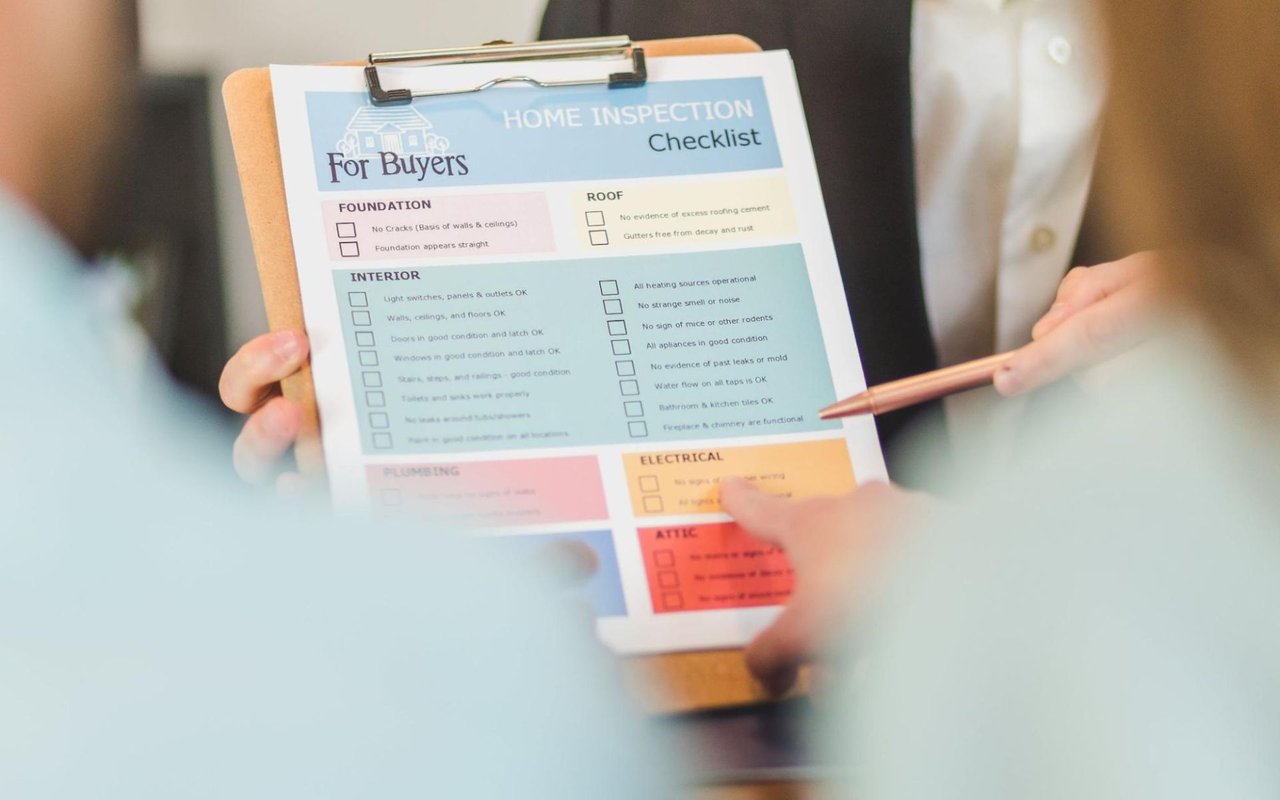
The first 10 days of your contract, unless stated otherwise, is called the due diligence period, also known as the buyer's inspection period. During this time, the buyer schedules a home inspection with a licensed inspector, which can take several hours. As the seller, you shouldn't be home when the buyer arrives for the inspection review, typically at the end of the inspection with their agent, which helps buyers feel comfortable and keeps the process moving smoothly.
Buyers have the right to a full due diligence process, which can include a general inspector, a roof inspector, a pool inspector, a termite inspector, and any other specialist they want. If your home is vacant, keep all utilities on until closing, including gas, so inspectors can check every system, including the water heater.
It's normal not to hear back right away after the inspection. Buyers may still be reviewing details, waiting for the report, getting repair quotes, or scheduling additional specialists. The inspection period also gives the buyer the option to cancel the purchase for nearly any reason, so if you're aware of small repairs ahead of time, addressing them can prevent unnecessary requests or even cancellations.
Not sure what your specific contract requires or when? Let's walk through your timeline together.
The BINSR: Repair Requests and Your 5-Day Response
At the end of the inspection period, the buyer's agent submits a form called the BINSR, the Buyer's Inspection Notice and Repair Requests, along with the inspection reports. This outlines any repairs the buyer is requesting, and you'll have 5 days to respond. You can agree, decline, negotiate, or offer a credit instead of completing repairs, and any credit you offer isn't paid until closing day, credited out of your proceeds through the title company.
Taking care of minor issues like a leaky faucet ahead of time can reduce a lot of stress, boost buyer confidence, and prevent surprises. Any repairs you agree to don't have to be completed until 3 days prior to closing.
The Appraisal and Loan Approval
If your buyer is financing, their lender works behind the scenes to secure final loan approval, which includes ordering an appraisal. The appraiser visits your home to measure, take photos, and compare it to recent closings nearby. It's helpful to have your home show-ready for this visit, since those photos become part of the appraisal report your buyer will see.
The appraisal is usually ordered after the buyer signs off on the inspection and repair negotiations are settled. For government loans, especially VA loans, the appraiser can require specific repairs be completed before closing, a broken window replaced, a handrail repaired, a water heater secured. Like the inspection, the appraisal contingency allows the buyer to cancel if the home appraises significantly below the purchase price and neither side is willing to cover the gap. It can take up to a week to get the report back after the appraiser visits.
Remember: The Deal Isn't Done Yet
Many sellers think the deal is done the moment the contract is signed, but that's far from true. There are several contingencies still to clear, and multiple points where a buyer can cancel and get their deposit back. The main hurdles are the inspection period, the appraisal, and loan approval. Sometimes the buyer also has a home of their own that needs to sell and close first, and if that sale falls through or their contract has a contingency, they can cancel and receive their deposit back too.
The Final Walkthrough
Many sellers are surprised to learn that the buyer and their agent return for a final walkthrough just before closing, usually a few days prior, to confirm the home is in the agreed-upon condition and that any negotiated repairs have been completed. Leave copies of all repair invoices, fill out a form with details like mailbox codes and utility information, and keep all utilities on until the sale officially closes, even if the home is vacant.
Review your contract again to confirm which items convey with the home. Removing something included in the sale, like a security system, could give the buyer grounds to refuse to close or even pursue legal action.
Signing Day and Closing Day
Although most paperwork up to this point is completed electronically, the closing documents must be signed in the presence of a notary. The title company schedules your signing, usually during the week of closing, and this can happen in person, by mail, or even with an out-of-state notary if you've already moved.
On closing day itself, the lender funds the loan, the buyer sends funds to the title company, and the title company prepares documents to record with the county. It's impossible to predict the exact time your home will close, but you should be moved out by 8am on closing day. The contract requires the home be left broom-swept, but consider how you'd want to find a home you just purchased, having it professionally cleaned is a genuinely nice touch, and don't leave personal items behind. The buyer's agent typically collects the key from your lock box.
Your proceeds are usually available within 24 business hours via wire or check. Keep utilities on until the day after closing, don't risk turning them off while you still legally own the home, and consider confirming the buyer's utility transfer went through the following day. The title company will prorate any paid HOA dues so you only pay for the days you owned the home, and you may need to pay any unpaid property taxes at closing out of your proceeds, though if you've already paid through your mortgage, you may receive a refund check later.
What Can Still Go Wrong, and Why That's Normal
It's worth remembering that about 15 percent of home sales never make it to closing. Buyer's loans can be declined at the last minute, inspectors may find deal-breaking issues, or other contingencies may arise. Nothing is truly final until you receive confirmation that your home has officially closed.
There are many points in a contract where a buyer can cancel and get their deposit back, and it's actually very difficult for a seller to keep a buyer's deposit until all contingencies are cleared, meaning the loan is fully approved and all documents are at the title company. In a perfect world, inspections pass, the appraisal comes in at value, and the buyer's loan closes on time. But only about 74 percent of contracts close exactly on schedule. If something comes up along the way, it's genuinely normal, not a sign something has gone wrong.
Frequently Asked Questions
How long does it take to close on a home in Arizona after accepting an offer?
The average home in Arizona closes within 30 days of going under contract, though the exact timeline depends on what was negotiated in the contract.
What do sellers need to complete right after accepting an offer?
Sellers must complete their seller disclosures and provide a CLUE insurance report, covering 5 years of insurance history, within 3 days of going under contract.
What is a BINSR in an Arizona real estate contract?
A BINSR is the Buyer's Inspection Notice and Repair Request, submitted at the end of the inspection period. It outlines repairs the buyer wants, and the seller has 5 days to agree, decline, negotiate, or offer a credit.
Can a buyer cancel the contract after inspection?
Yes. During the due diligence period, typically 10 days, the buyer can cancel the purchase for nearly any reason and receive their earnest deposit back.
What happens if the home doesn't appraise at the purchase price?
If the home appraises below the purchase price and neither the buyer nor seller is willing to cover the difference, the buyer can cancel the contract under the appraisal contingency.
Do all home sales actually make it to closing?
No. About 15 percent of home sales don't close, due to financing falling through, inspection issues, or other contingencies, and only about 74 percent of contracts close exactly on the original schedule.
When do sellers need to move out on closing day?
Sellers should be moved out by 8am on closing day, with the home left broom-swept and all previously agreed-upon items left in place.