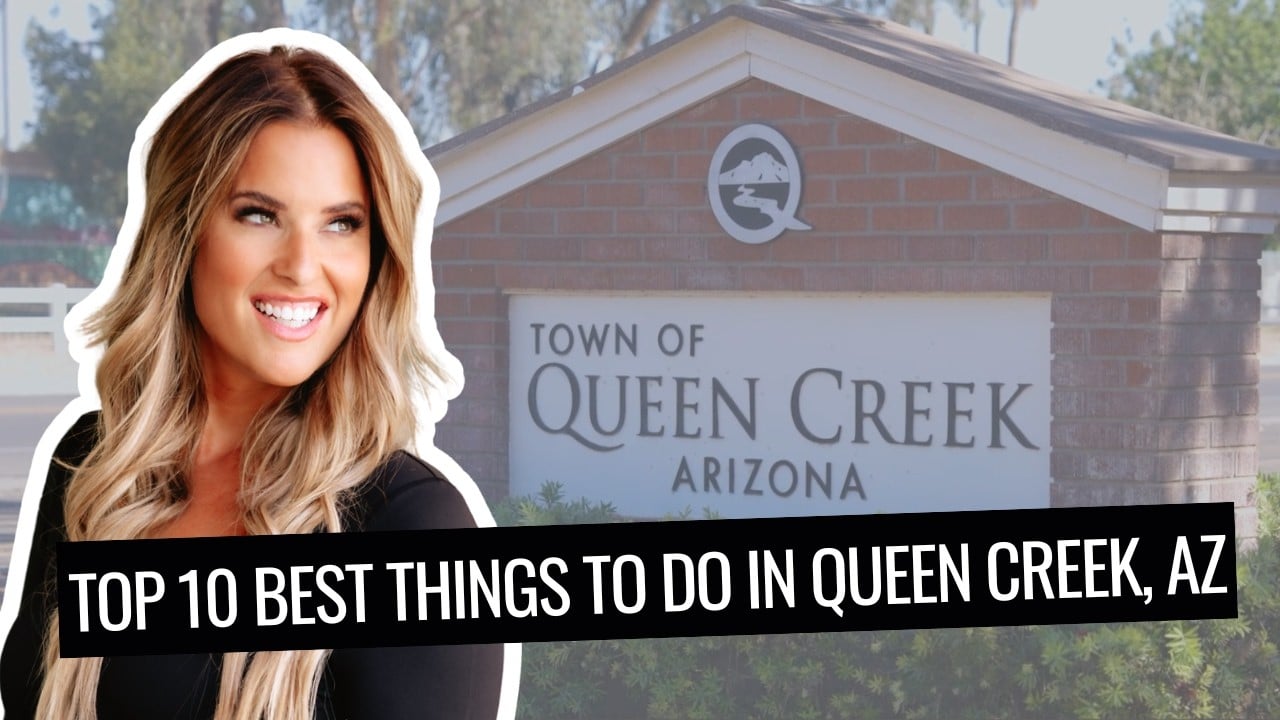
This is one of the most common conversations we have with relocating families. Both cities are fantastic, but they're genuinely different. Let's talk through it honestly.
Key Takeaways
- Queen Creek's higher median price typically buys newer construction, more square footage, and larger lots than Gilbert.
- Gilbert offers a longer-established academic reputation; Queen Creek Unified is the fastest-growing East Valley district.
- Gilbert delivers a walkable downtown feel; Queen Creek offers a slower, small-town, agricultural character.
- Gilbert's commute to Phoenix and Chandler runs shorter, around 26 minutes versus Queen Creek's 31 to 50 minutes.
- Remote workers often find Queen Creek's value proposition, bigger homes and lower price per square foot, hard to beat.
Still deciding between the two? Let's talk, we know both markets inside and out.
Queen Creek vs. Gilbert: The Direct Answer
Queen Creek generally suits families who want more space and newer construction for their money and a slower, small-town lifestyle, while Gilbert suits families who prioritize a shorter commute, a walkable downtown, and a longer-established school reputation.
Both cities regularly rank among the safest and most desirable in the Phoenix metro, so this isn't a question of one being objectively better. It's a question of which trade-offs fit your family's actual daily life.
What Your Money Gets You
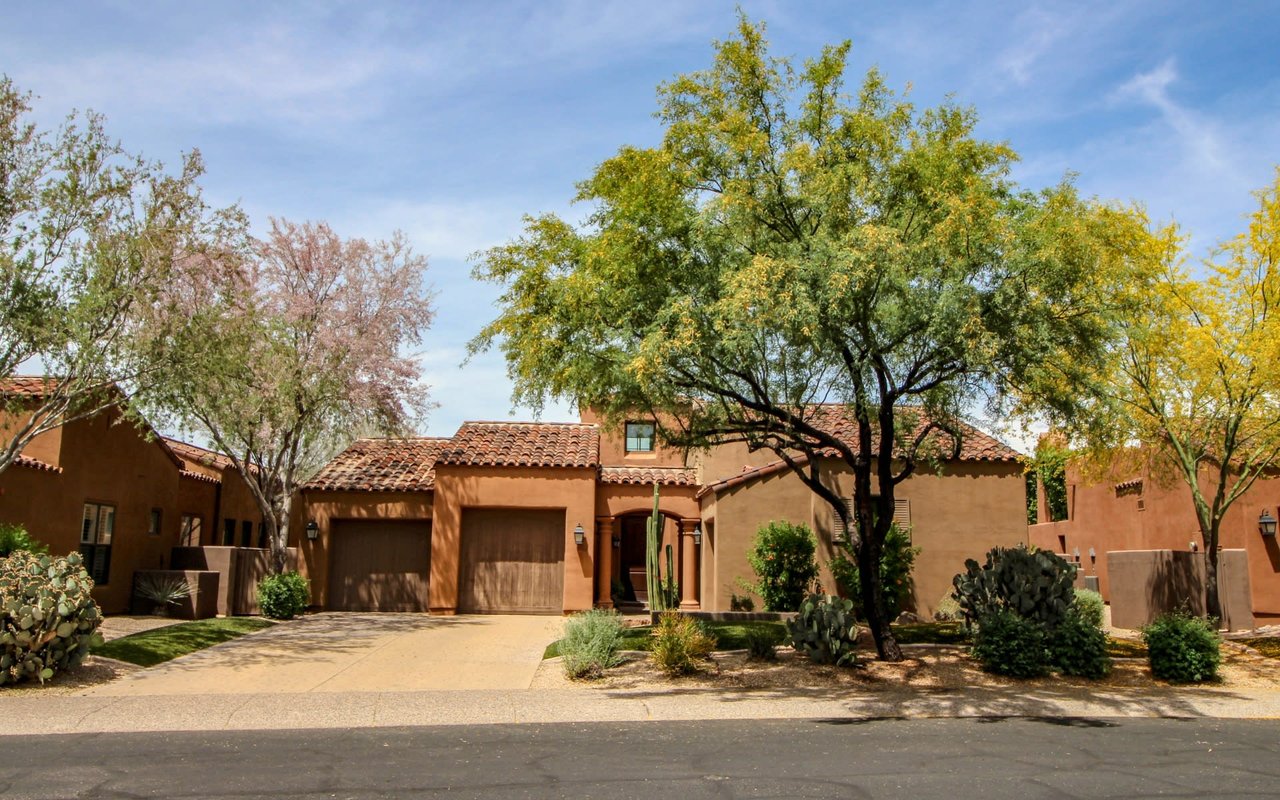
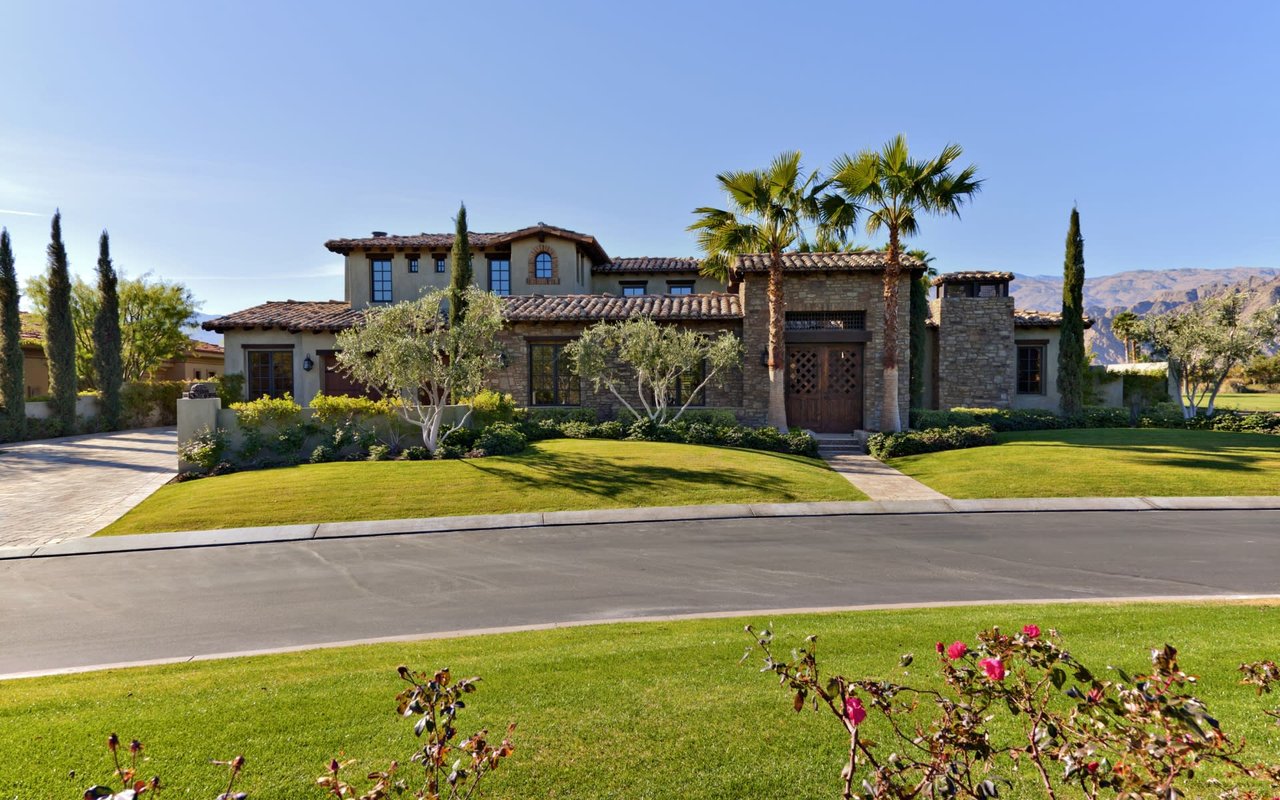
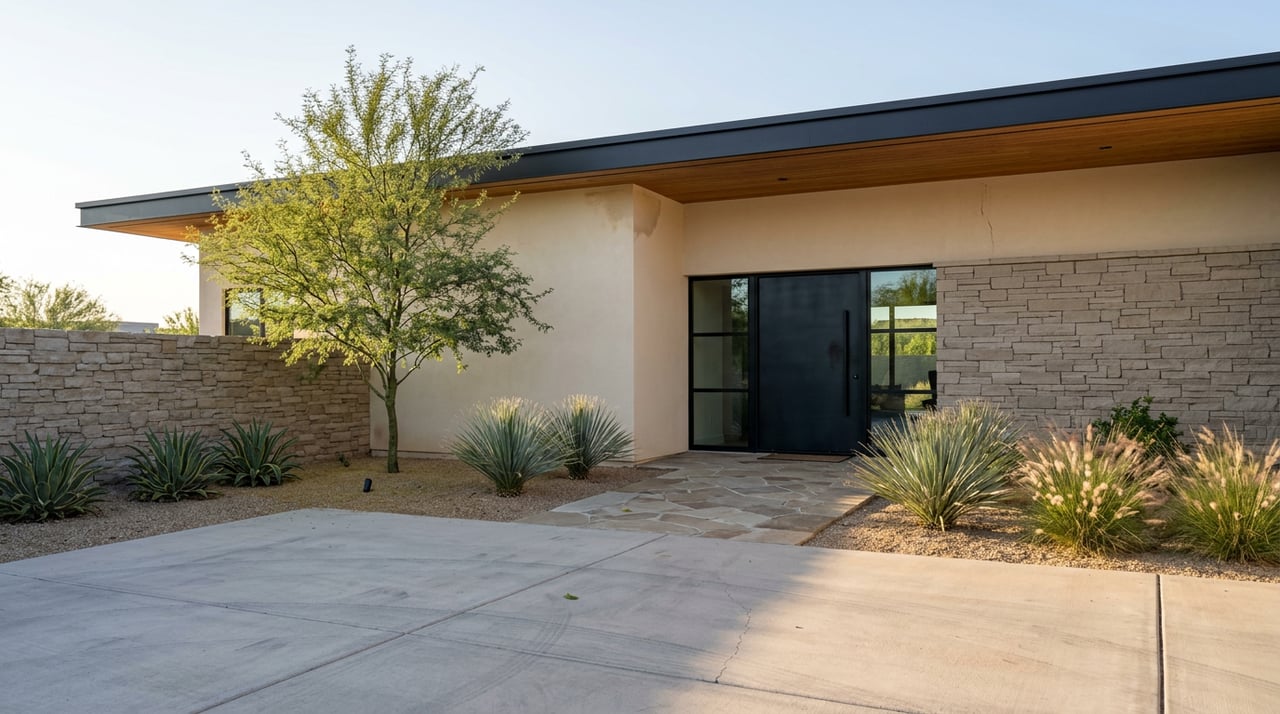
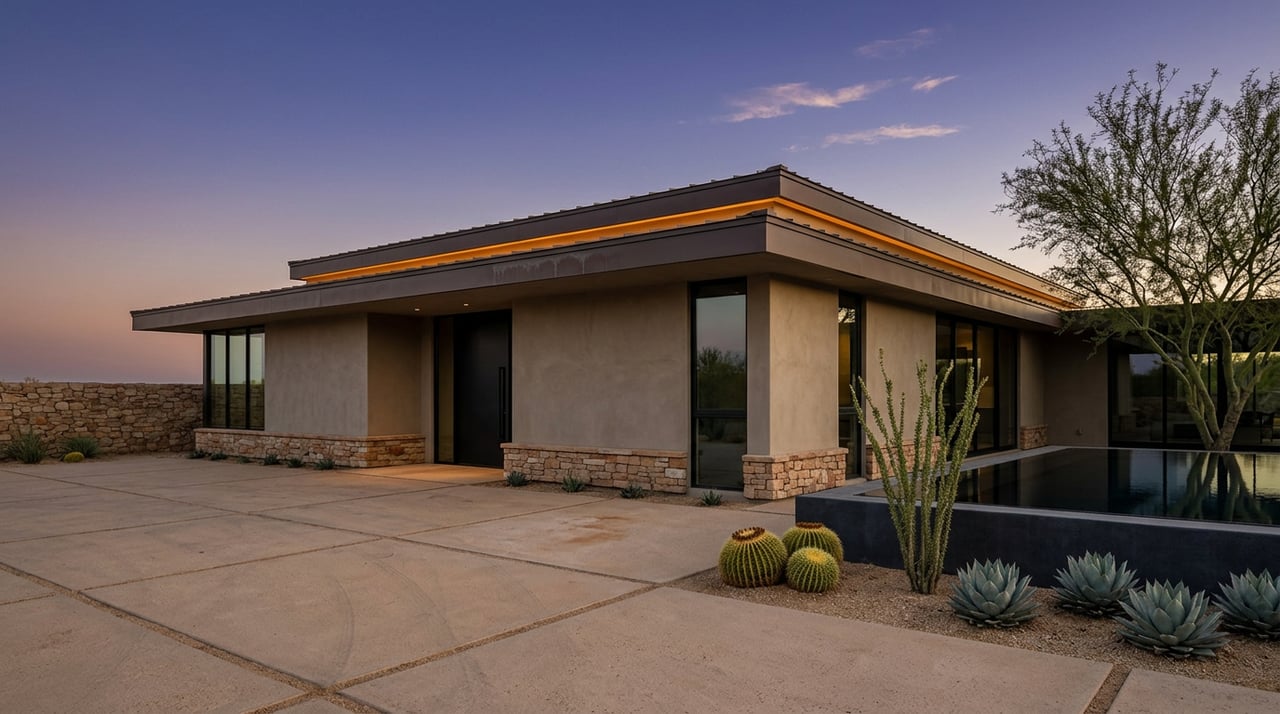
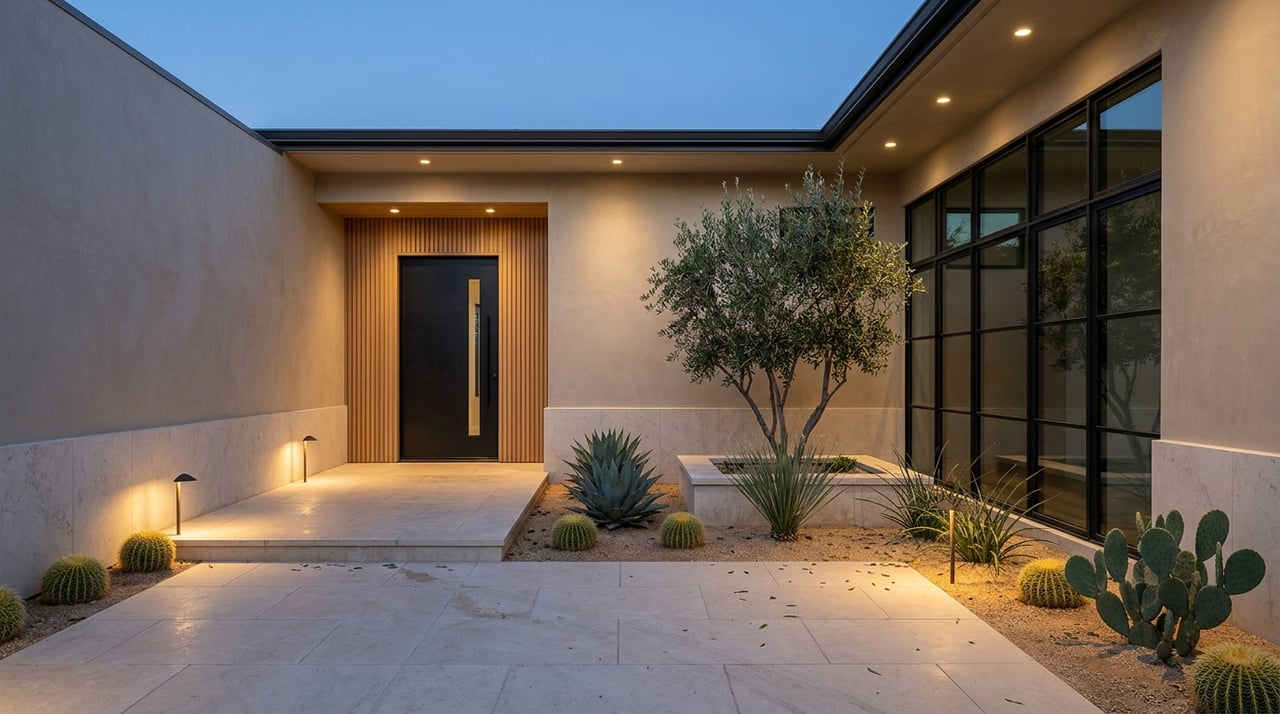
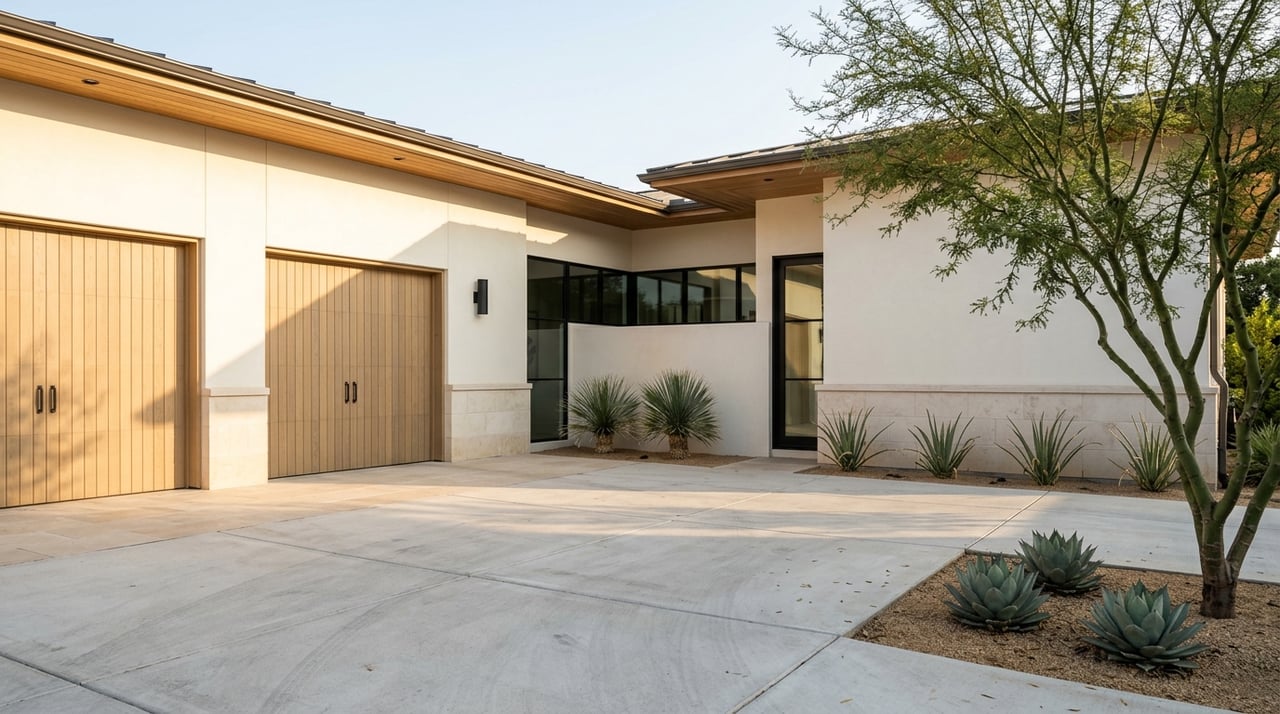
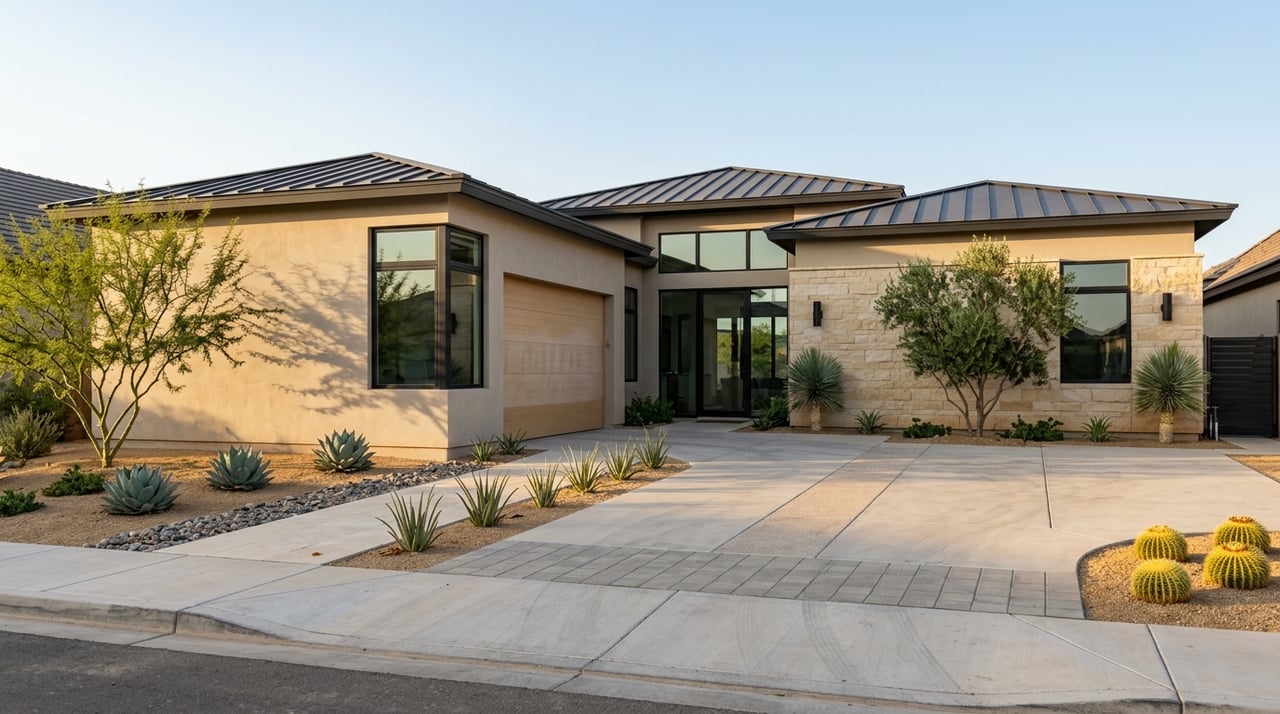
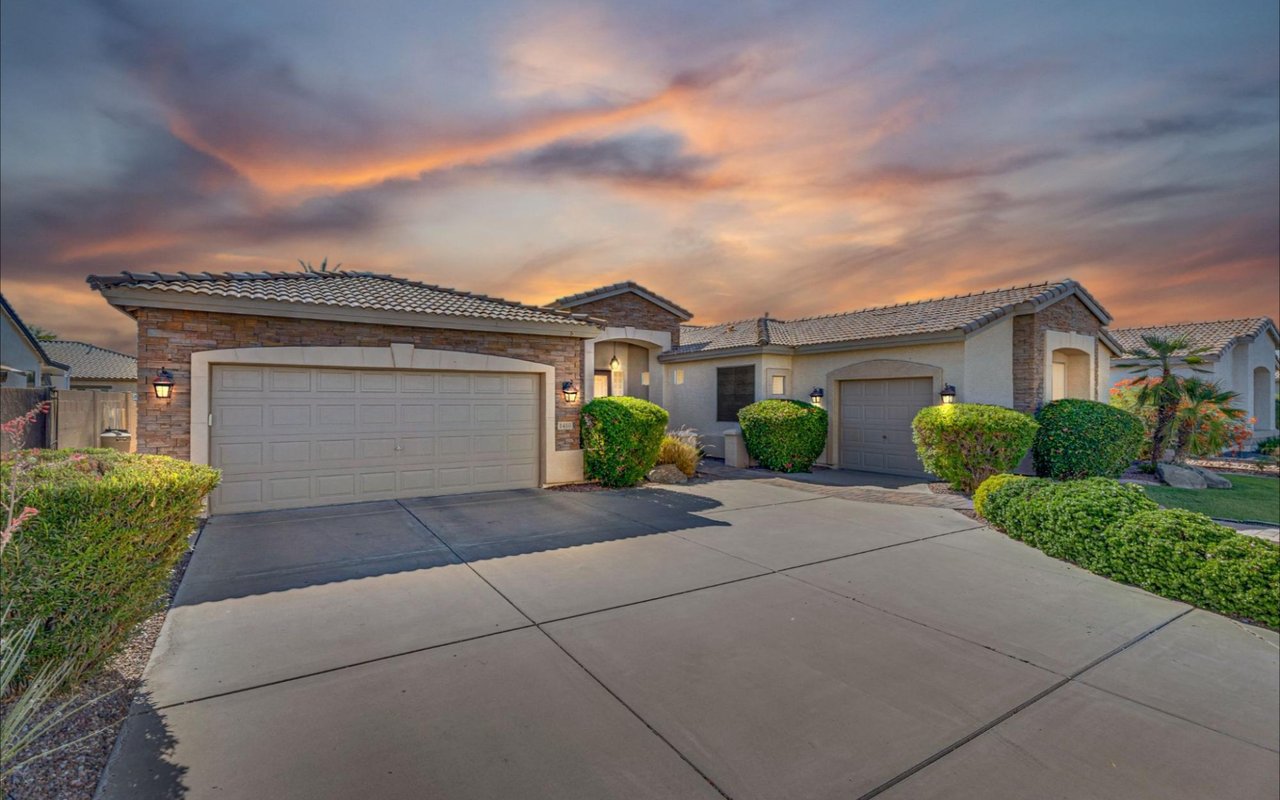
Queen Creek's median home price sits around $629,000 to $656,000 in early 2026. At that price point, buyers typically get newer construction, more square footage, and a noticeably larger lot than a comparable price would buy in Gilbert.
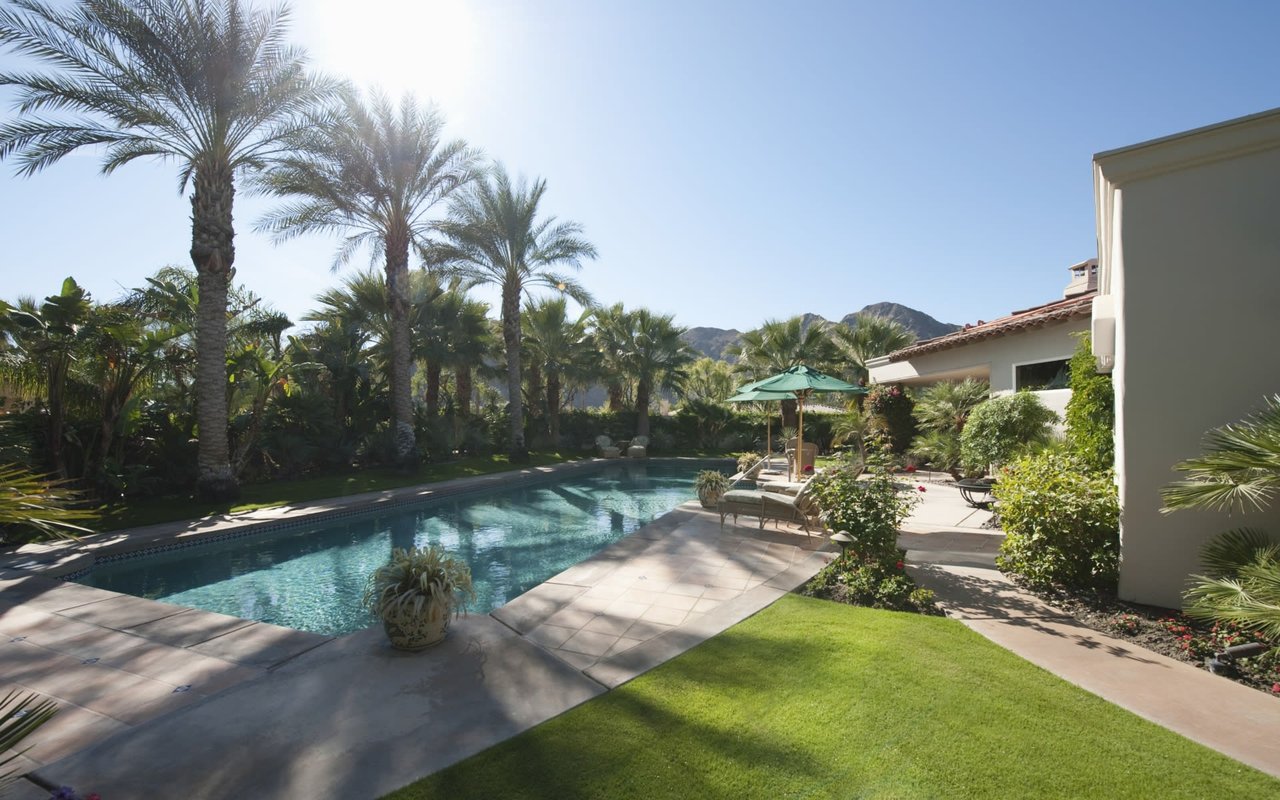
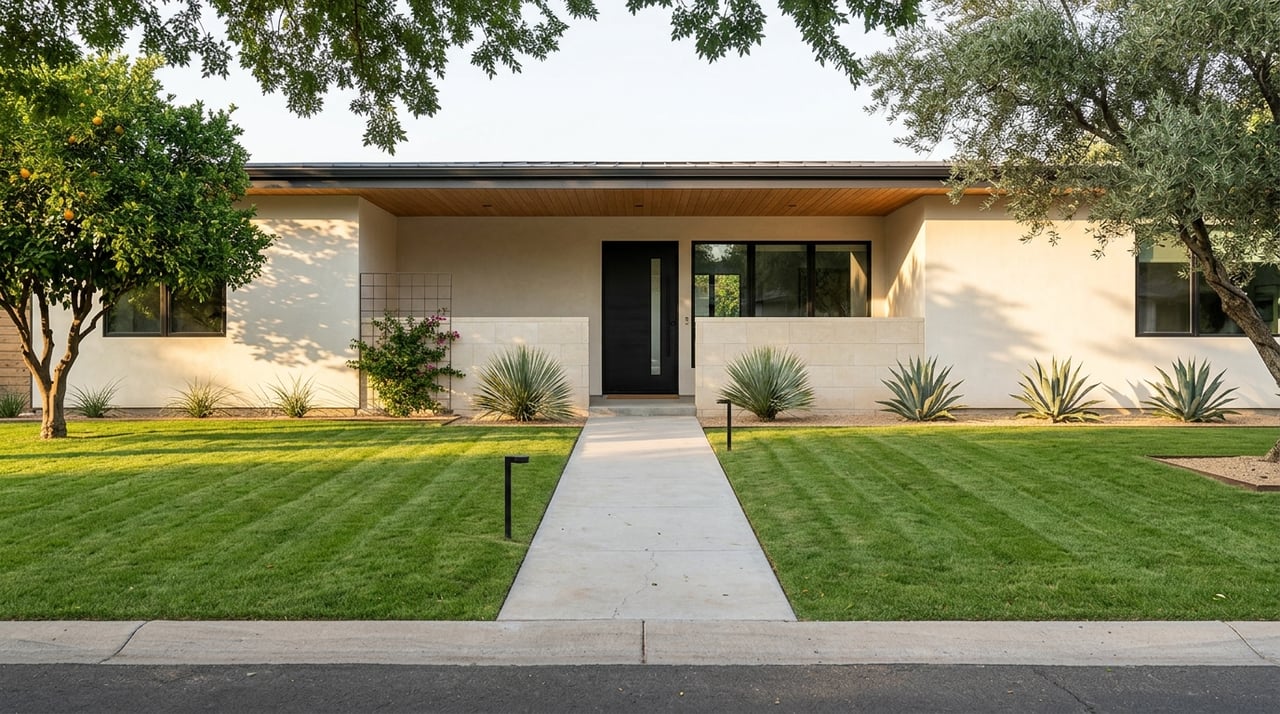
Many Queen Creek neighborhoods offer quarter-acre lots or larger, with room for a pool, a three-car garage, maybe even an RV gate. Gilbert's median runs a bit lower, around $550,000 to $562,000, but the tradeoff is often smaller lots, more competition, and higher HOA fees in many communities.
Factor | Queen Creek | Gilbert |
|---|---|---|
Median Home Price | ~$629,000–$656,000 | ~$550,000–$562,000 |
Typical Lot Size | Quarter-acre or larger | Smaller, higher competition |
Average Commute | 31–50 minutes | ~26 minutes |
Downtown Feel | Small-town, agricultural | Walkable Heritage District |
Schools: Both Great, Different Personalities
Gilbert Public Schools has one of the best academic reputations in the state, full stop. Homes zoned for top Gilbert elementary schools can command a 10 to 15 percent premium over comparable homes just a few miles away.
Queen Creek Unified is the fastest-growing district in the East Valley, and it's earning its reputation fast with brand new campuses and strong academic outcomes. Parts of northern Queen Creek also fall into the A-rated Higley Unified School District, consistently among Arizona's very best.
Lifestyle: Downtown Energy vs. Small Town Soul
Gilbert has a genuine downtown in the Heritage District, walkable restaurants, breweries, and a buzz that makes it feel more like a city. Queen Creek has a completely different vibe, where Schnepf Farms sells peaches on a Saturday morning and the Queen Creek Olive Mill makes you feel like you're somewhere in Tuscany.
Neither vibe is right or wrong, it comes down to what kind of Saturday you actually want. Some families genuinely thrive on walkable urban energy; others find their peace in a slower, more agricultural rhythm.
Commute and Connectivity
Gilbert gives you a shorter commute to Phoenix and Chandler job hubs, averaging around 26 minutes. Queen Creek averages closer to 31 to 50 minutes, depending on your destination, though the new State Route 24 extension has meaningfully improved this. For remote workers, the commute question basically disappears, and Queen Creek's bigger homes and lower price per square foot become hard to ignore.
Cost of Living Beyond Just Housing
Property tax rates, HOA fee ranges, and typical utility costs are broadly comparable between the two cities, since they sit in the same county and utility service areas. The primary cost difference between Queen Creek and Gilbert really does come down to the home purchase itself and what that purchase price buys you in square footage and land.
So Which One Is Right for You?
If you want to be close to Phoenix employment, crave a walkable dining scene, and love a mature neighborhood with established character, Gilbert is your city. If you want more space for your dollar, newer construction, and access to the outdoors right from your backyard, Queen Creek might just change your life. For a closer look at Queen Creek specifically, see our guide to why families are moving here.
New Construction: Where the Real Difference Shows Up
One of the starkest differences between these two cities is available land for new construction. Gilbert is largely built out, meaning most Gilbert inventory today is resale, while Queen Creek still has significant new construction actively underway across multiple builders and price points.
This matters beyond just having more options. New construction typically comes with builder warranties, current energy efficiency standards, and the ability to select finishes, advantages that simply aren't available when buying resale in a largely built-out city like Gilbert.
Want to see how far your budget goes in each city? Let's run the numbers together.
Community Events and Everyday Culture
Gilbert's calendar leans toward its Heritage District events, farmers markets, and a more urban festival culture. Queen Creek's identity is built around agricultural and equestrian traditions, Schnepf Farms seasonal festivals, Rodeo Days, and the Olive Mill's evening gatherings.
Neither calendar is objectively richer, they simply reflect two different community personalities, and spending a weekend in each town before deciding is one of the best ways to get a genuine feel for which one matches how your family actually wants to spend its time.
Healthcare and Retail: How the Two Cities Compare
Gilbert, being more established, currently offers a somewhat denser concentration of healthcare facilities, specialty retail, and dining options simply by virtue of having been built out longer. Queen Creek has closed much of this gap in recent years as growth has brought new medical facilities, expanded retail centers, and a broader dining scene, but some specialty services still mean a short drive toward Gilbert or Chandler.
For most day-to-day needs, groceries, primary care, casual dining, both cities are now well equipped. The difference shows up more in specialty and niche services, where Gilbert's longer development history still gives it a modest edge.
Long-Term Appreciation: How the Two Markets Compare
Gilbert, being largely built out, tends to see more modest, steady appreciation driven by limited new supply and consistent demand for its established character. Queen Creek's continued land availability and population growth support a different kind of long-term story, one where new construction keeps expanding the town's footprint and overall value base.
Neither pattern guarantees outperformance in either direction, but it's a meaningful distinction for buyers thinking about their purchase as a long-term investment and not just a place to live.
What Families Who've Made Each Choice Actually Say
Families who chose Gilbert consistently cite the walkable downtown, the shorter commute, and the comfort of an established, well-known school system as their deciding factors. They tend to prioritize being close to the center of East Valley activity and are willing to trade some space and price for that convenience.
Families who chose Queen Creek consistently cite the space, the newer construction, and a specific feeling, often described as "it just felt like home" or "it reminded us of a smaller town growing up", as their deciding factor. They tend to prioritize lifestyle and long-term room to grow over proximity to the East Valley's urban core.
Neither group second-guesses their decision much once they've settled in, which is probably the most honest evidence that this really is a fit question rather than a right-answer question.
Traffic and Daily Errands: The Lived Experience
Beyond the commute-to-work numbers, day-to-day errand traffic feels genuinely different between these two cities. Gilbert's denser development means more traffic lights and more congestion during peak grocery-run and school-pickup hours, while Queen Creek's newer, wider road infrastructure currently absorbs daily errand traffic more comfortably, though this is shifting as the town continues to grow quickly.
Families who've lived in both cities often describe Queen Creek's daily pace as noticeably calmer, at least for now, while acknowledging that continued growth means this advantage may narrow over the coming years as more residents and more retail development fill in.
A Simple Exercise for Weighing Your Own Priorities
If you're still torn, try ranking these five factors in order of personal importance: price and space, commute time, school reputation, downtown and dining culture, and long-term appreciation potential. Whichever city better matches your top two priorities is very likely your answer, regardless of how the other three factors shake out.
This simple exercise cuts through a lot of back-and-forth, because most families find that once they're honest about their actual top priorities, the choice between Queen Creek and Gilbert becomes considerably clearer than it felt at the start.
Is There a Way to Get the Best of Both Worlds?
Some families find a middle ground in northern Queen Creek neighborhoods like Cortina or Montelena, which sit closer to the Gilbert border and offer a shorter commute than more southern or eastern Queen Creek communities, while still delivering Queen Creek's characteristic space and newer construction value.
It's a worthwhile option to explore if you're torn between the two cities, since it can meaningfully soften the commute trade-off without giving up the core reasons Queen Creek appealed to you in the first place.
Which City Makes More Sense as an Investment?
For buyers thinking beyond just where to live, Gilbert's built-out status generally means steadier, more predictable appreciation tied to limited supply, while Queen Creek's continued growth offers more upside potential but also more variability as new supply comes online. Neither is inherently the safer or better investment, they represent different risk and reward profiles.
Rental demand also differs: Gilbert's established reputation and proximity to job centers support strong long-term rental demand, while Queen Creek's newer, larger homes tend to attract a different renter profile, often relocating families in a transition period before buying.
A Quick Gut-Check: Which City Sounds Like You?
If your ideal Saturday involves walking to a coffee shop, browsing a farmers market, and being fifteen minutes from a major job center, Gilbert is speaking your language. If your ideal Saturday involves a backyard pool day, a trip to a local farm, and genuinely not thinking about traffic until Monday, Queen Creek is probably calling your name.
Most families intuitively know which of these descriptions resonates more, and that instinct is often a better guide than any spreadsheet comparison.
Frequently Asked Questions
Is Queen Creek or Gilbert better for families?
Both are excellent, but they suit different priorities. Queen Creek offers more home and land per dollar with a slower feel; Gilbert offers a shorter commute and a walkable downtown.
Is Queen Creek cheaper than Gilbert?
Queen Creek's median home price runs higher, but it typically delivers newer construction and larger lots at that price point, so buyers often get more home per dollar.
Which has better schools, Queen Creek or Gilbert?
Both have strong schools. Gilbert has a longer-established reputation; Queen Creek Unified is the fastest-growing district in the East Valley.
What is the commute like from Queen Creek versus Gilbert?
Gilbert offers a shorter average commute, around 26 minutes, compared to Queen Creek's 31 to 50 minutes, though SR 24 has improved this.
Which city has more of a downtown feel, Queen Creek or Gilbert?
Gilbert has a genuine downtown in the Heritage District. Queen Creek has a more small-town, agricultural character.