Is the one thing holding you back from buying a home the fact that you still have a home to sell? Buying a home when you still have one to sell can feel complicated, but it's very doable, and here's exactly how it works in Arizona.
Key Takeaways
- There are two main contingency types in Arizona: a home to sell contingency and a contingent to close contingency, and sellers strongly prefer the second.
- Sellers typically want to see your current home listed within 7 days of contract acceptance, with a fair timeline of around 30 days to get it under contract.
- If your contingency falls through and the contract cancels, your deposit is usually returned, the real money at risk is typically just your inspection costs.
- Pricing your current home right, and sharing a real marketing plan with the seller, are what make a contingent offer genuinely competitive.
- Some buyers close on their existing home in the morning and their new home that same afternoon, it takes strategy, but it works.
The Direct Answer
Buying a home while you still have one to sell is very doable in Arizona, especially in more buyer-friendly markets where sellers are sometimes open to accepting a contingent offer. That means you can find your dream home, submit an offer, and have time to sell your current home. Our team closes several homes a month with some type of home-to-sell contingency, so this is genuinely something we do all the time.
The Two Types of Contingencies in Arizona
There are two main types of contingencies. The first is a home to sell contingency. This is when you still own a home that's either on the market or about to be, and you can only buy the next home if your current one sells. Your offer includes a date by which your home must have an accepted offer, so there's a clear timeline for everything to happen.
The second type is contingent to close. This means your home is already sold and under contract, but it hasn't closed yet. Your purchase of the new home depends on your old home closing first. Sellers generally prefer this type of contingency, because it's less risky for them and it gives you more negotiating power.
With either type, unless you've made your deposit non-refundable, if your home doesn't sell or close during your contingency window, your deposit is typically refunded back to you. It's genuinely low risk from that standpoint.
The Trickier Scenario: Your Home Still Needs to Sell
Sellers don't love contingent offers, but in a slower market, they'll consider them if they don't have better options. Your agent's experience and marketing plan are crucial here, because the seller needs real confidence that your home will actually sell quickly.
Ideally, you've found a home that's been on the market a while, since brand new listings are harder for sellers to accept a contingent offer on. Your offer will include the price, closing dates, and other terms, plus a special contingency document listing your home's address and the date by which it must be sold.
The Timeline Sellers Actually Expect
Sellers typically want to see your home listed on the market within 7 days of contract acceptance. Anything longer than that can feel genuinely unfair to the seller, they're taking their home off the market while you sell yours. A fair timeline to get an accepted offer on your own home is around 30 days.
If your home hasn't sold by then, you can sometimes request an extension, usually if you can show proof like a recent price reduction or genuinely strong showing traffic. But if the seller doesn't grant more time and the contract cancels because your home didn't sell, your deposit is usually returned, unless you waived that right to make your offer more competitive. The only money typically at real risk is your inspection costs, since you've already completed inspections and negotiated repairs earlier in the process.
Read Every Line of the Contingency Addendum
This matters because sellers can still market their home and accept other offers while your contingency is active. If the seller receives a better offer and issues you a cancellation notice, you typically have a few days to either cancel or release your contingency, meaning you'd tell the seller you're moving forward without it. Read the contingency document closely so you understand exactly where you stand.
Pricing and Marketing Make or Break a Contingent Offer
If you're listing your home to sell during this contingent period, you have to price it right. Overpricing is a real mistake here, you need it sold quickly to make your contingent offer genuinely appealing. The seller you're buying from is going to ask what you're listing your home at, and their agent is going to run comps on it.
Pricing matters, but so does your marketing plan. Sellers need confidence your home will actually sell, so make sure your agent has a strong strategy. When we submit a contingent offer on behalf of our clients, we share our entire marketing plan with the seller to show them exactly what we're doing to get that home the most exposure possible. Timing is everything.
How These Deals Actually Close
A contingent offer can sound confusing, but our team does this all the time. We've helped clients close on their existing home in the morning and close on their new home that same afternoon, with the title company transferring proceeds over for the down payment on the new house. It really can work out, it just takes patience, strategy, and the right team on your side.
If you're fortunate, you may also be able to negotiate a post-possession arrangement on your current home, letting you stay a few days or even weeks after closing so you don't have to move everything on the same day.
It's also worth asking your agent about a cash offer. In certain situations, your agent may be able to secure one on your home. It will most likely come in low, but depending on your situation, it could still be a good option. To make your overall deal more solid, consider offering part or all of your deposit to stay with the seller if your home doesn't end up selling, this lowers the seller's risk in choosing your offer over others. Contingent offers are never guaranteed, you're facing a hurdle other buyers don't, which can lower your negotiating power somewhat.
If Your Home Is Already Under Contract
With a contingent to close contingency, your home is already sold but hasn't closed yet, which is exactly why some buyers choose to sell their home first before making an offer on a new one. You can still include a contingency to protect yourself here. If your home has already made it through inspections and appraisal, that increases confidence for both you and the seller you're buying from, and some buyers wait specifically until they reach this point before making an offer at all.
Sales can still fall through even here, buyers might not qualify at the last minute, inspections can uncover dealbreaking issues, and other unexpected problems can arise. That's exactly why having a contingency clause matters, if your buyer falls through, you can back out of the contract on the home you're trying to buy.
Start Your Inspection Period Right Away
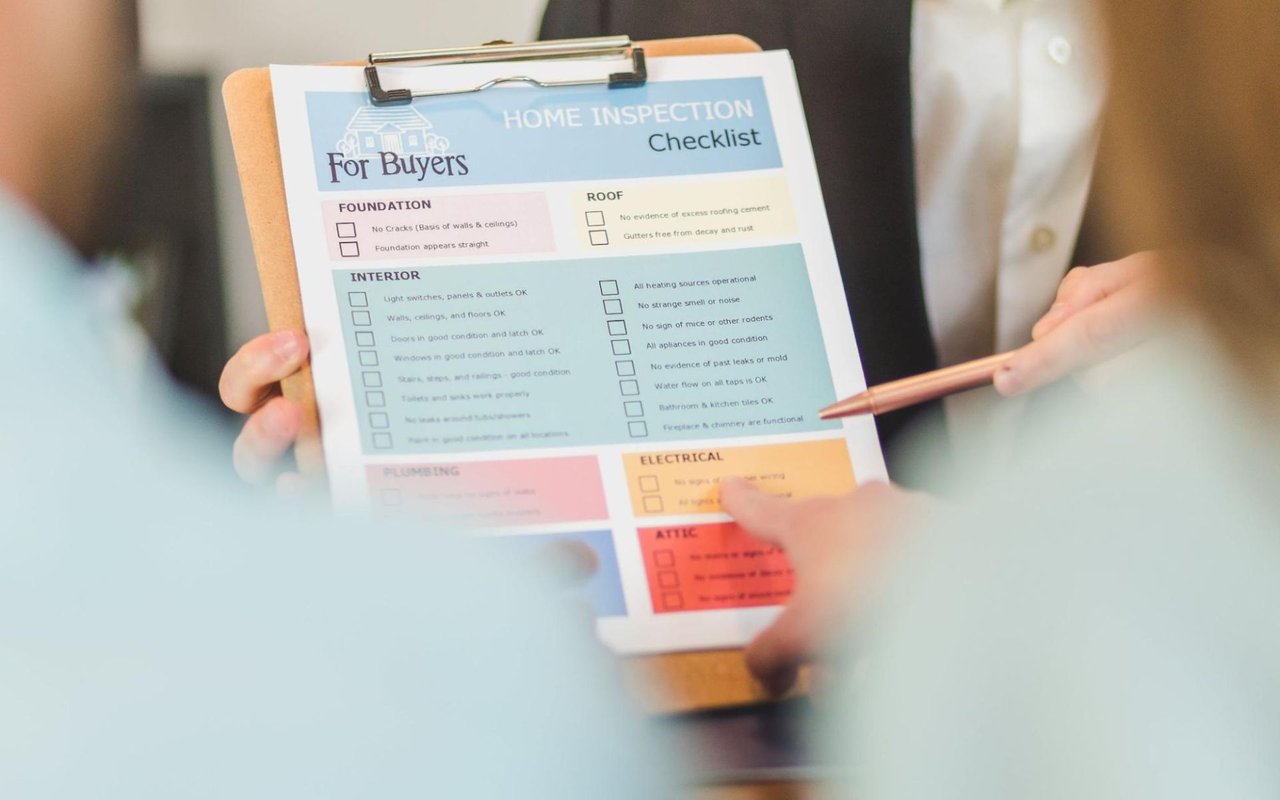
For either type of contingency, we recommend starting your inspection period right away. Invest in a thorough inspection and work through any repair negotiations early to make sure this is genuinely the home you want. If everything goes smoothly, great. If the sale falls through, the main cost you'd be out is your inspection and related fees.
The Bottom Line
Buying a home contingent on selling your current one takes strategy, timing, and a skilled team. There are a lot of moving parts, but with experience and a strong plan, these deals can work seamlessly. It can absolutely help buyers secure their dream home without overextending themselves financially.
Frequently Asked Questions
What is a home to sell contingency in Arizona?
It's a contingency where you can only complete the purchase of your next home if your current home sells, with your offer including a specific date by which your current home must have an accepted offer.
What is a contingent to close contingency?
This is when your current home is already sold and under contract but hasn't closed yet, and your new home purchase depends on that sale closing first. Sellers generally prefer this over a home to sell contingency since it's lower risk for them.
How quickly do I need to list my home if I make a home to sell contingent offer?
Sellers typically expect your home listed within 7 days of contract acceptance, with a fair overall timeline of around 30 days to get an accepted offer on it.
What happens to my deposit if my home doesn't sell in time?
In most cases, your deposit is refunded if the contract cancels because your home didn't sell, unless you waived that right to make your offer more competitive. Your main financial risk is typically your inspection costs.
Can a seller still accept other offers while my contingency is active?
Yes. Sellers can continue marketing their home and accept other offers during your contingency period, which is why it's important to read the contingency addendum closely to understand your rights if that happens.
Can I close on my old home and new home on the same day?
Yes, this happens regularly. Some buyers close on their existing home in the morning and their new home that same afternoon, with the title company transferring proceeds for the new down payment.
What can I do to make my contingent offer more competitive?
Price your current home accurately, share a strong marketing plan with the seller, and consider offering part or all of your deposit to stay with the seller if your home doesn't sell, which lowers their risk in accepting your offer.